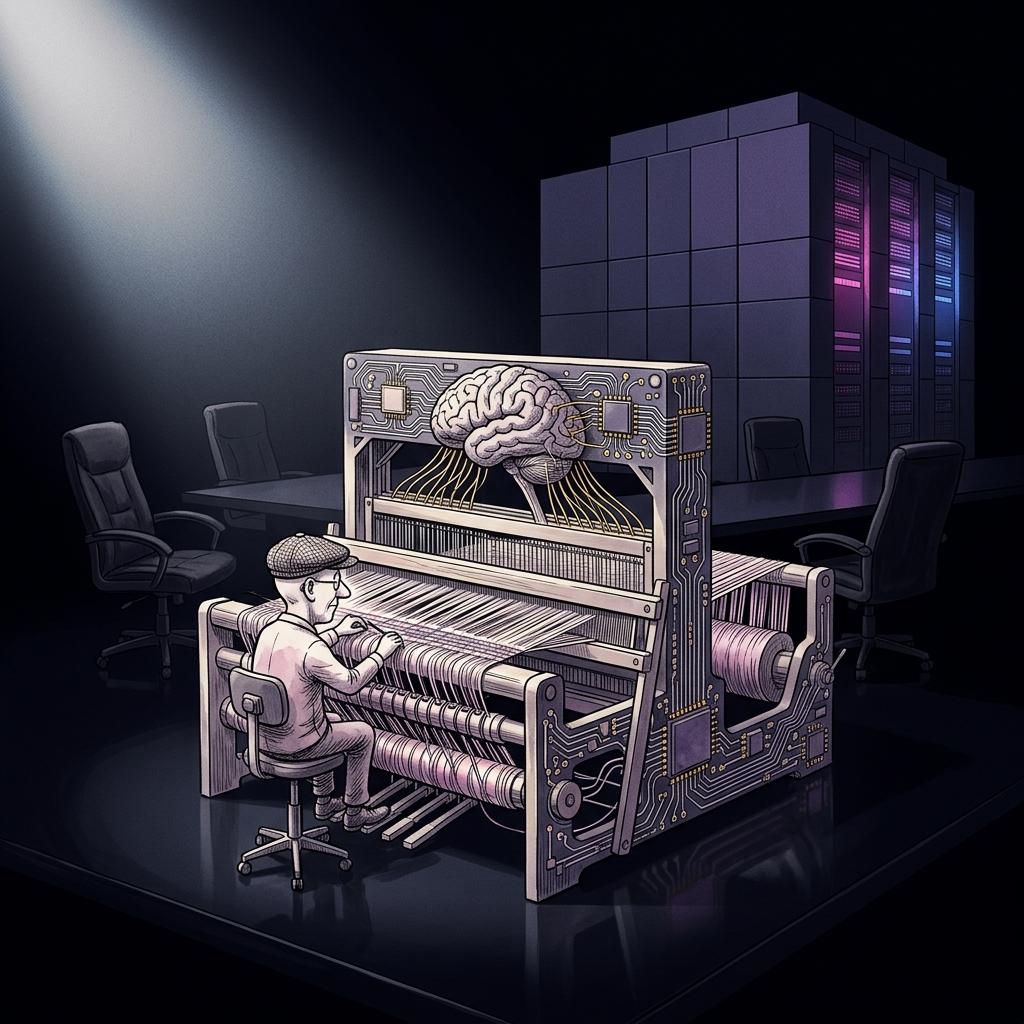
Agentic AI: The Next Evolution of the Digital Workforce
Agentic AI represents a paradigm shift in artificial intelligence — moving from systems that respond to prompts to autonomous agents that can plan, reason, use tools, and execute multi-step tasks independently. This video brief explores how agentic AI is reshaping the workplace and what business leaders need to know.
From Assistants to Autonomous Agents
Traditional AI assistants wait for instructions and respond to individual queries. Agentic AI systems, by contrast, can take a high-level goal and break it down into subtasks, select appropriate tools, handle errors, and iterate until the objective is achieved. This capability transforms AI from a productivity booster into a true digital worker.
Multi-Agent Collaboration
Just as organizations structure teams with specialized roles, multi-agent AI architectures deploy specialized agents that collaborate on complex workflows. A research agent gathers information, an analysis agent processes it, and a reporting agent synthesizes the findings — all coordinated automatically. This mirrors how effective human teams operate, but at machine speed.
Business Implications
For business leaders, agentic AI opens new possibilities for scaling operations without proportionally scaling headcount. Repetitive knowledge work — data analysis, report generation, customer follow-ups, compliance checks — can be delegated to AI agents. However, this requires thoughtful implementation: clear task boundaries, robust monitoring, and human oversight for critical decisions.
Building Trust in Autonomous Systems
As AI agents gain more autonomy, trust becomes paramount. Organizations need comprehensive logging, audit trails, and human-in-the-loop checkpoints for high-stakes decisions. The goal is not to replace human judgment but to amplify it — letting AI handle the execution while humans provide direction, oversight, and accountability.
Key Takeaways
• Agentic AI goes beyond chatbots — these systems can autonomously plan, execute, and adapt to achieve complex goals.
• Multi-agent architectures enable specialized AI workers to collaborate, mimicking organizational team structures.
• Businesses can deploy AI agents for repetitive knowledge work, freeing human workers for strategic and creative tasks.
• Trust and oversight frameworks are essential — agentic systems need guardrails, logging, and human-in-the-loop checkpoints.
• The shift from AI tools to AI agents represents a fundamental change in how businesses will operate and scale.