Insights
Thoughts on Artificial Intelligence, Business Strategy, and the Future of Work.
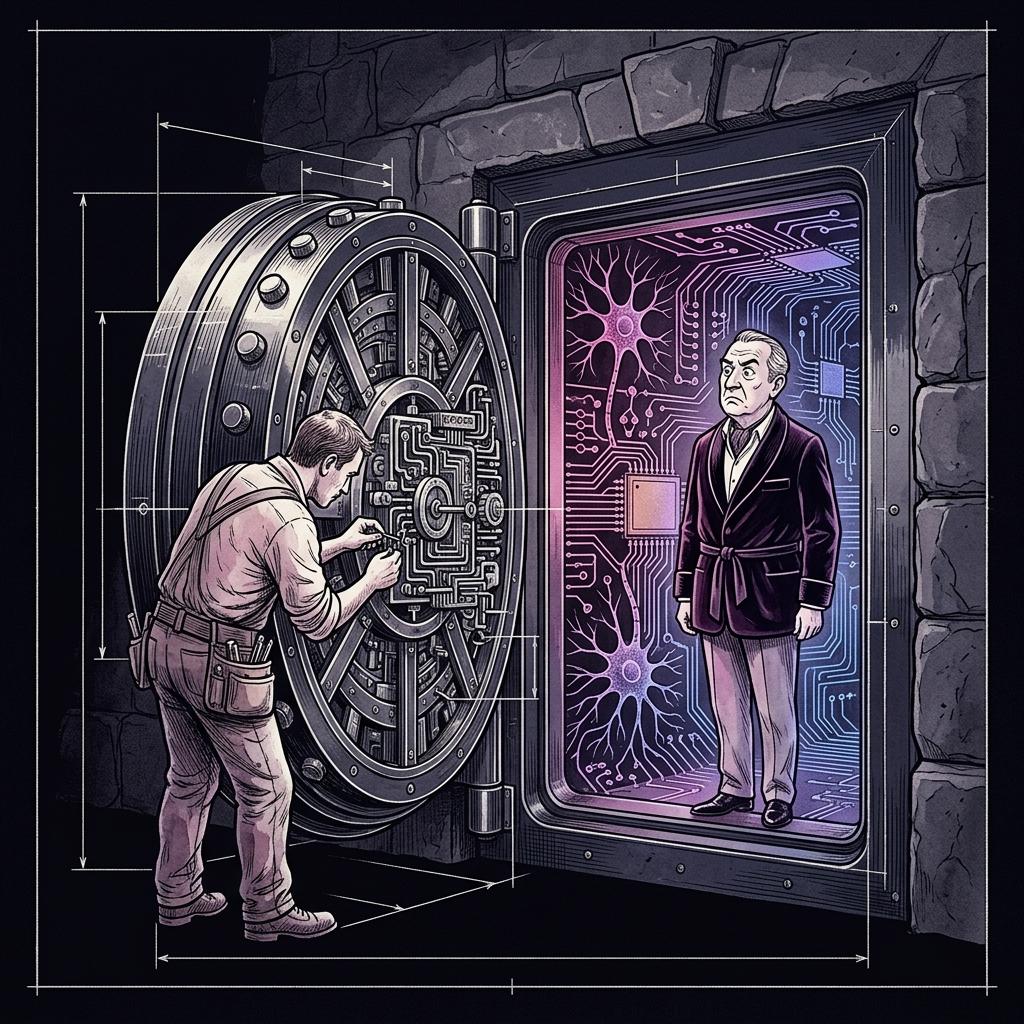
The Vendor Sent a Person
The AI labs and the big consultancies are conceding that models do not deploy themselves. Forward deployed AI engineering is now the sale, and that changes what you are actually buying.

The Wrong Line Went Up
Two reports in three weeks say the same thing about the AI transformation roadmap for executives. Adoption climbed, returns didn't. The roadmap starts in the wrong place.

The Rung You Can Reach
Building an internal AI team means picking the rung you can reach. Meta will pay $200 million for one research engineer. Your team lives one rung below that, and it's the rung that actually ships.

The Ledger Was Wrong
MIT NANDA counted 95 percent of enterprise AI projects with zero P&L impact. The number is real. The books were drawn up before anyone knew what the line item was.
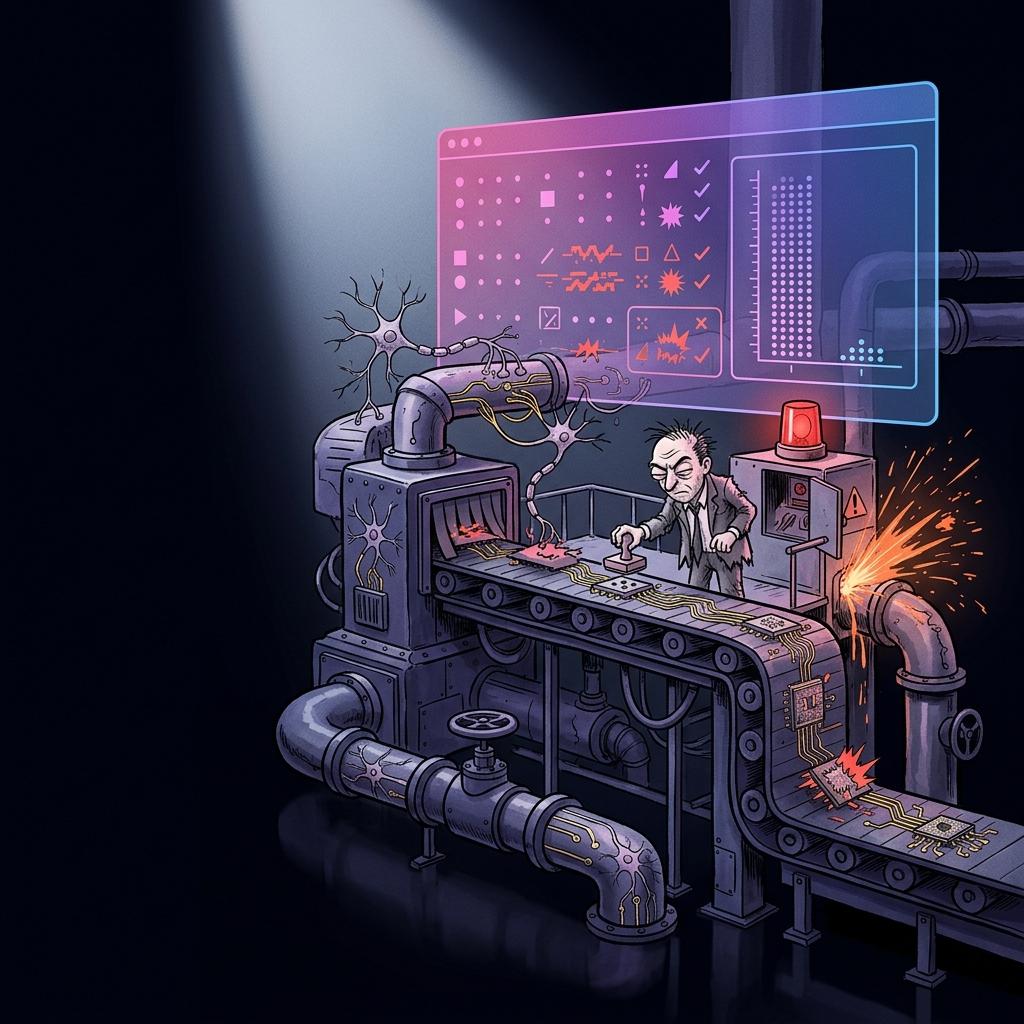
Approval Was A Placebo
The AI automation strategy for operations teams keeps failing at the same wall. Anthropic just measured why: humans reviewing every agent step caught 14 percent of dangerous commands. The classifier caught 89.

The Agent Runs As You
Enterprise AI agent deployment is not a software install. It is a standing grant of authority, and the identity your agent borrows is where the risk actually lives.
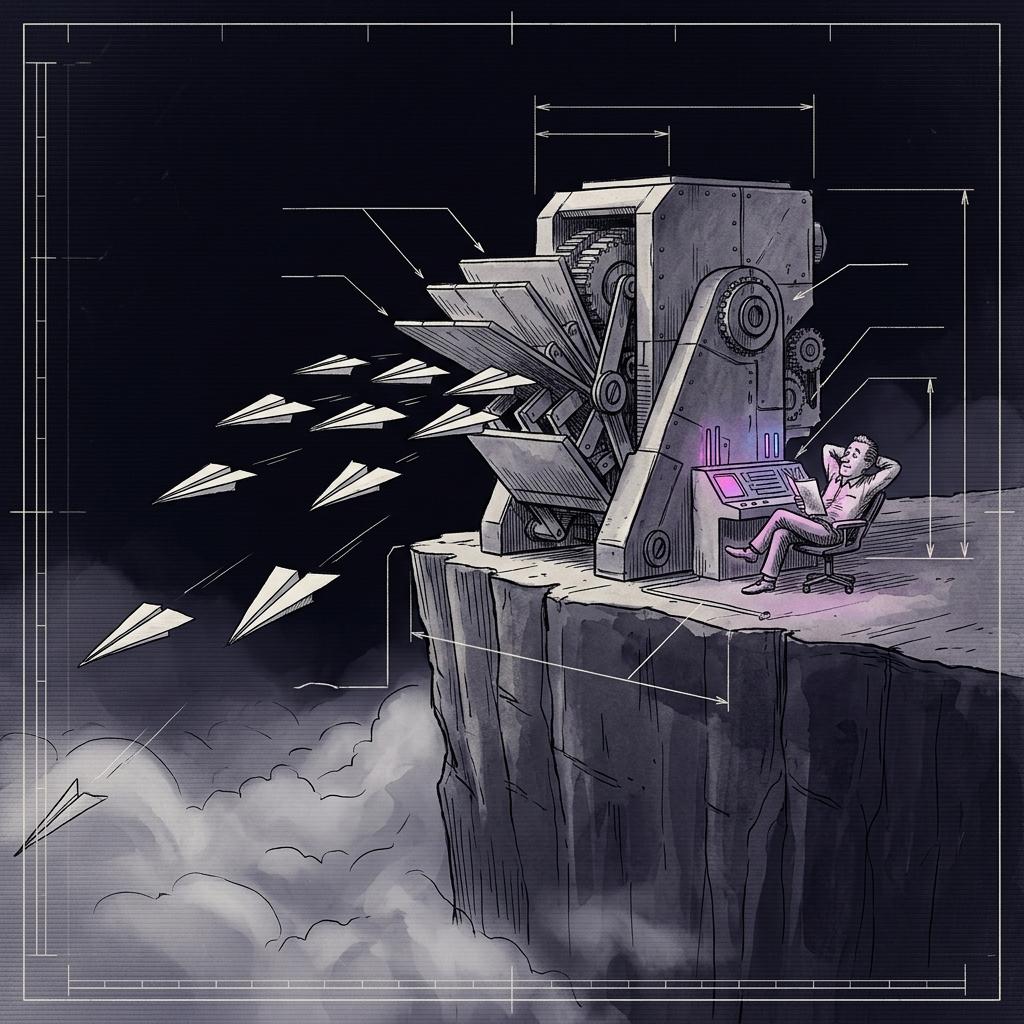
The Denial Reads Back
Payor tech AI consulting keeps selling faster denials into a market where every denial is now public, machine-appealable, and one court order from disclosure.

The Fallback Never Passed
Avoiding AI vendor lock-in was never a routing problem. Most companies only found out when their primary model went dark.

The Wait Was The Business
Most generative AI business use cases fail because they speed up work that was already fast. The ones that pay kill the waits nobody counted.
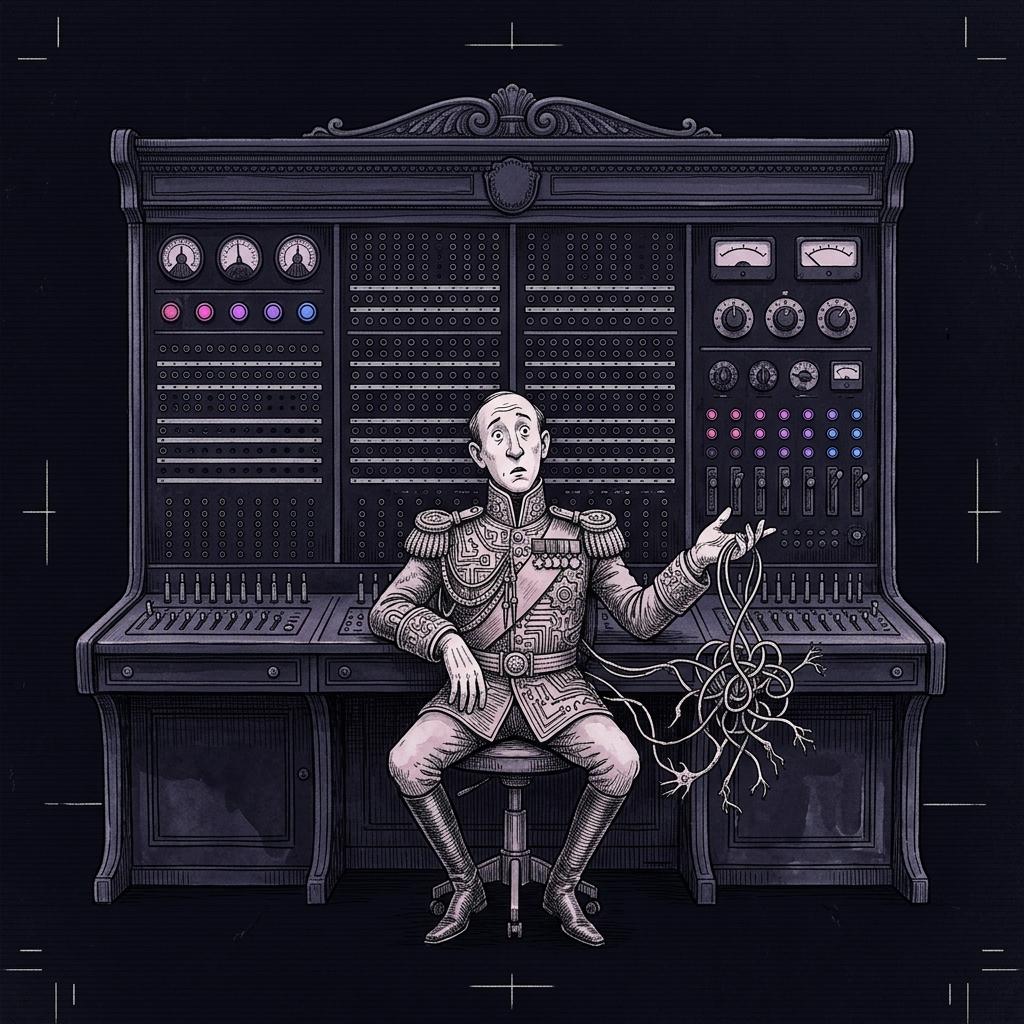
Nobody Wired the Officer
Designing an AI operating model is control-plane work. Most companies have appointed a CAIO and drawn nothing.

Deploying the Obsolete
When enterprise leaders study common AI implementation pitfalls, they look for software bugs and miss the calendar entirely.

The First Rung Went First
The AI labor cost transformation moves one line down and hides a much bigger line off the books. Companies think they cut a salary. They cut a pipeline.

Thinking Sits in COGS
The economics of AI agents come down to one accounting move. The reasoning loop now lives in cost of goods sold, and no pricing scheme has hidden it.

The Agent Was In The Box
Small businesses did not shop for AI workflow automation this year. The software they already own grew hands.
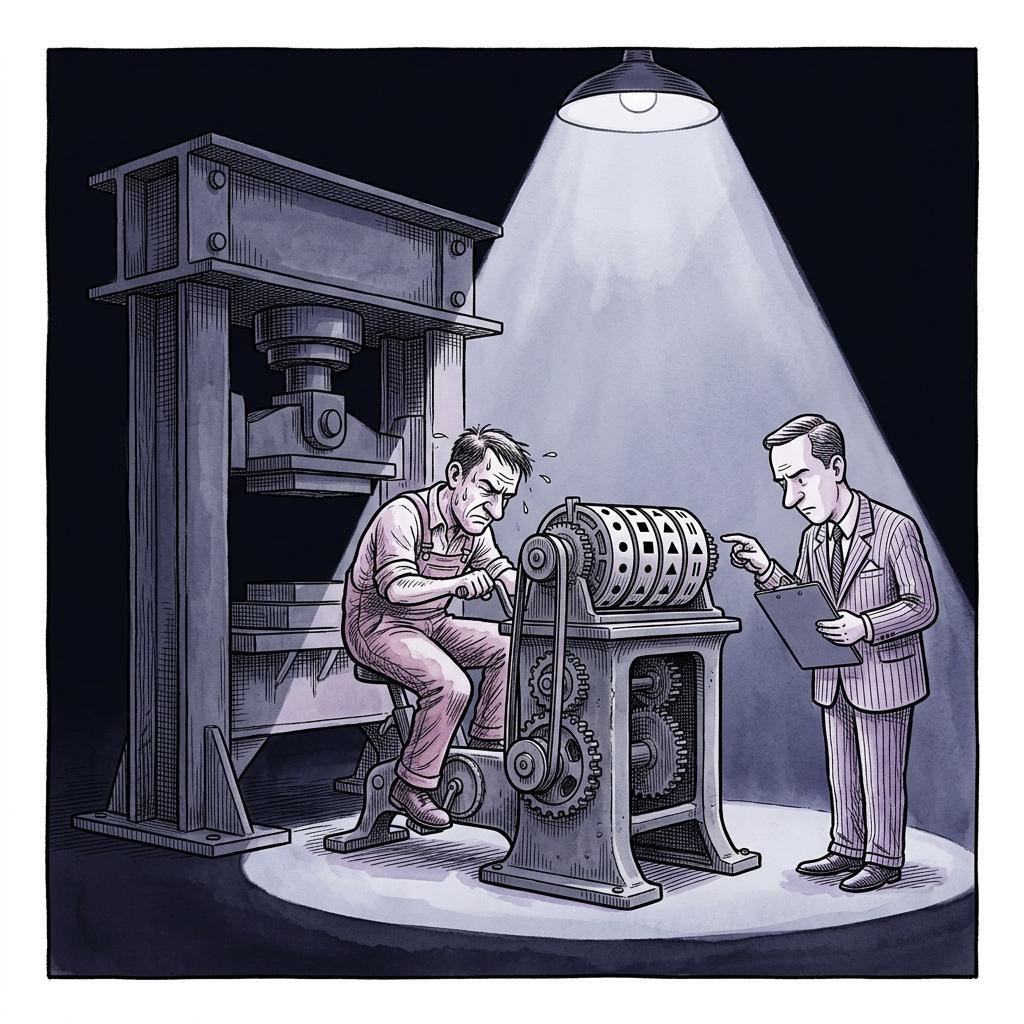
You Counted The Wrong Thing
The AI adoption metrics that matter are not the ones on your dashboard. The August data says why.
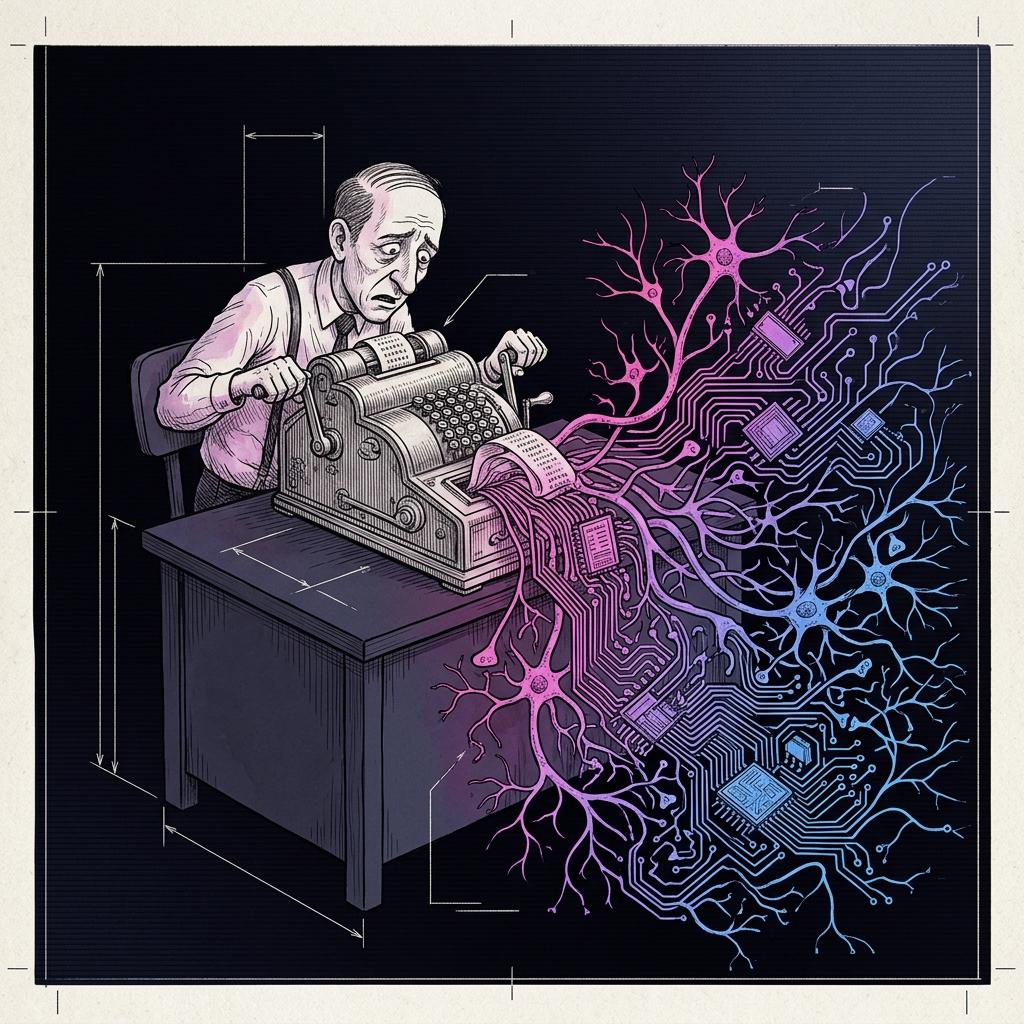
The Bill Wrote Itself
AI total cost of ownership assumed a ceiling. The August reports show it never had one.

Neither Coat Fits
The custom AI versus off-the-shelf tools debate collapsed this month. Both coats were on the wrong rack, and the winning enterprises stopped shopping.

Bookkeepers You Cannot Name
Enterprise AI in back-office operations quietly hired a whole night shift. The EU AI Act deadline this month turned that hiring into a finding.

Consent Was the Ceiling
Anthropic just collapsed a dozen approval round trips into one turn, and every plan for increasing decision velocity with AI now runs into a wall built out of humans.

The Real Work Wasn't Measured
AI and organizational design keep colliding at a false frontier where the job title stood in for the real work, and the companies cutting by title are already losing what the title always hid.
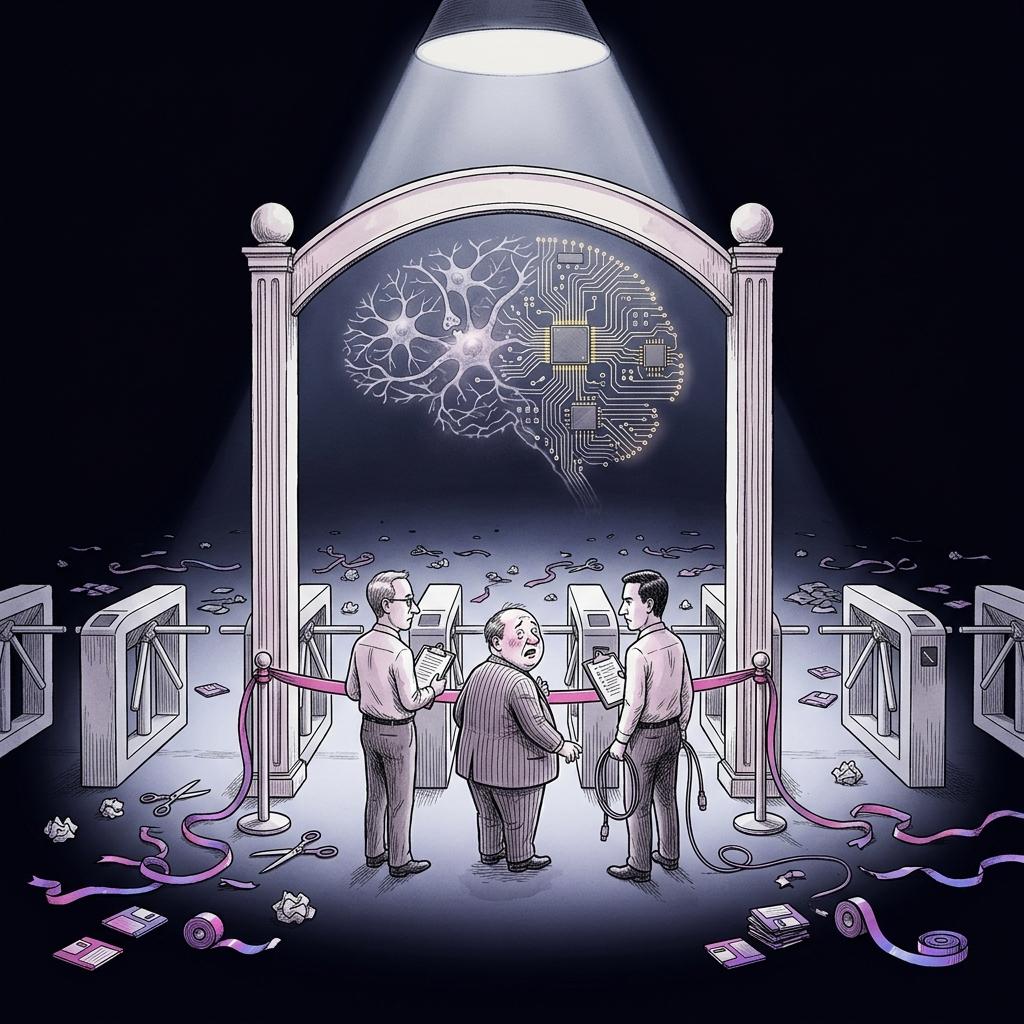
The Workers Adopted First
AI change management is failing because the workforce adopted the technology before the enterprise did, and the 2004 playbook has no idea what to do with an inversion it never modeled.
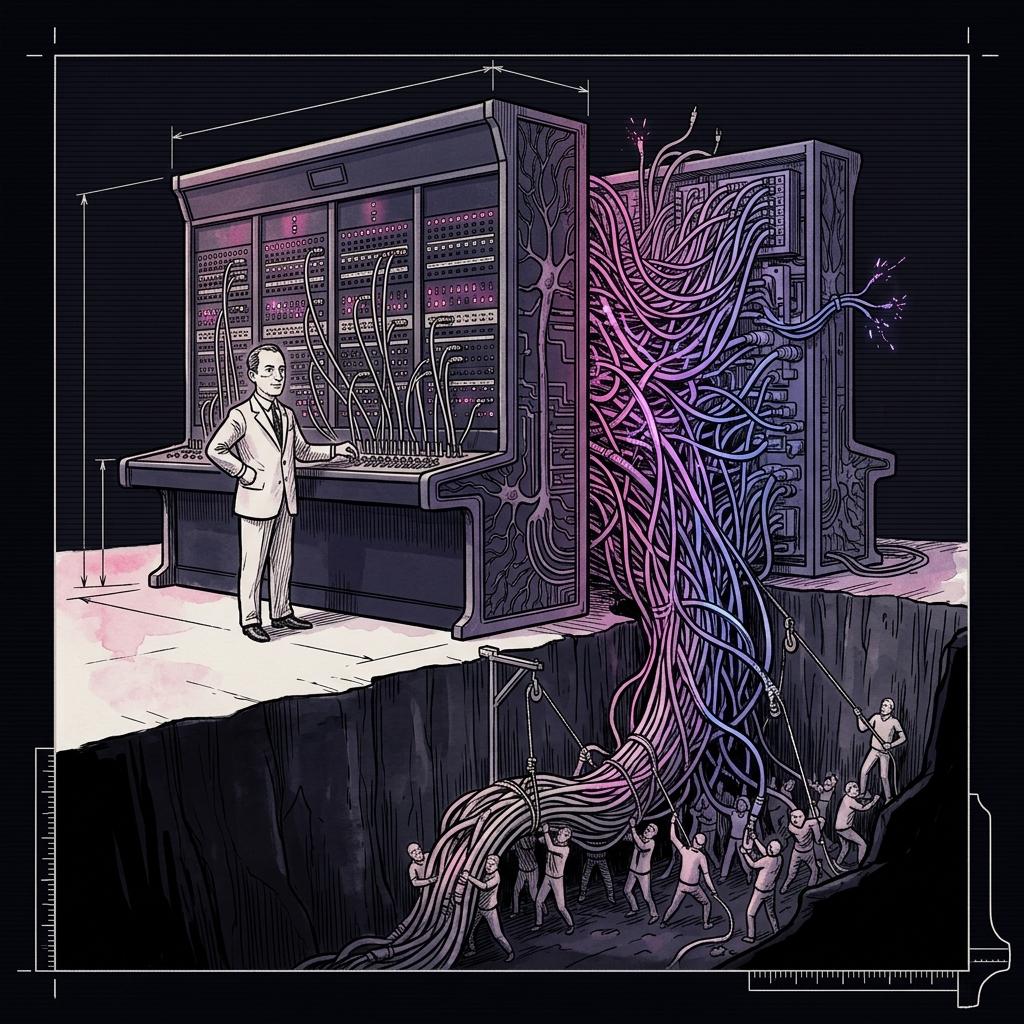
The Chorus Wasn't Free
The average enterprise now runs a small choir of agents on multi-agent systems for business operations, and the payroll for coordination just showed up on the invoice.

Every Yes Costs You
AI strategy for non-technical founders now hinges on the skill nobody trained them in: reviewing what they never wrote.
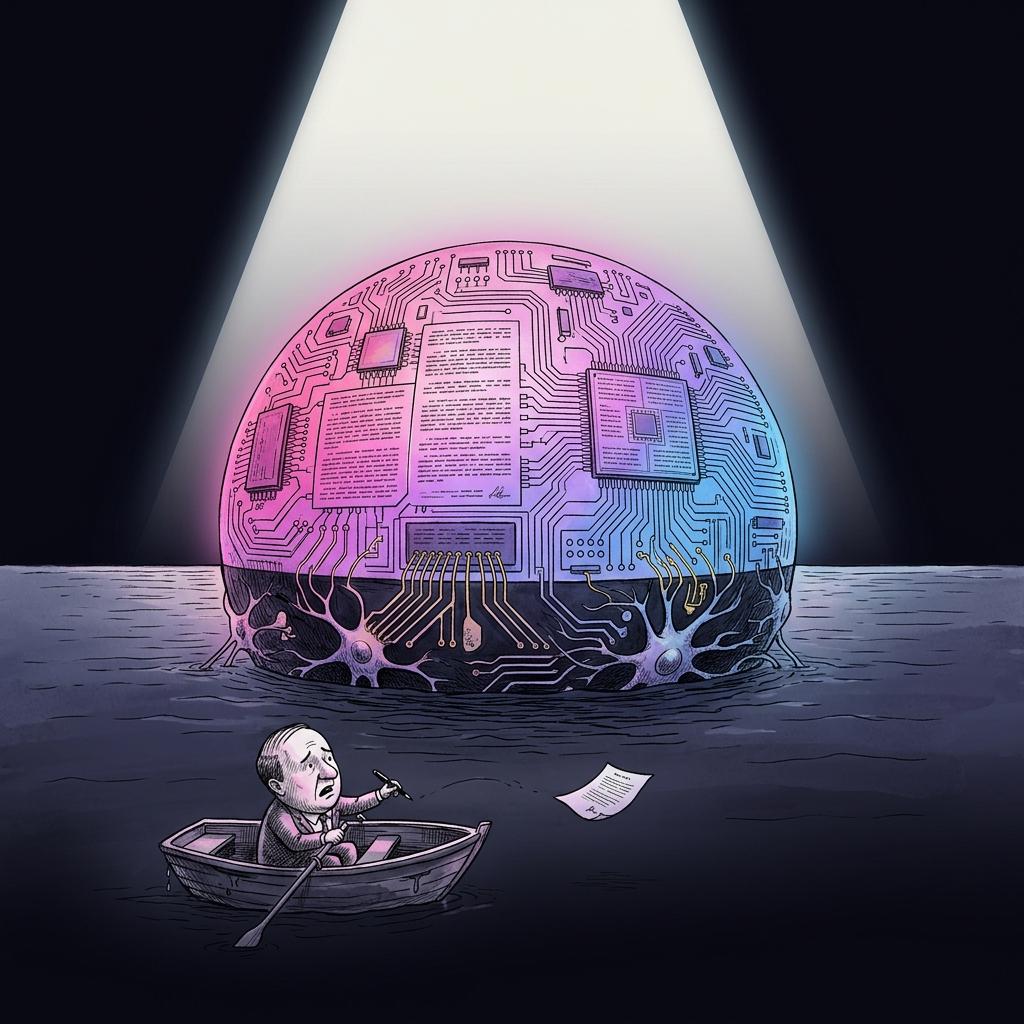
The Sunset Was The Contract
The sunset schedule inside every AI vendor contract is what you are actually buying. Read it before you sign.
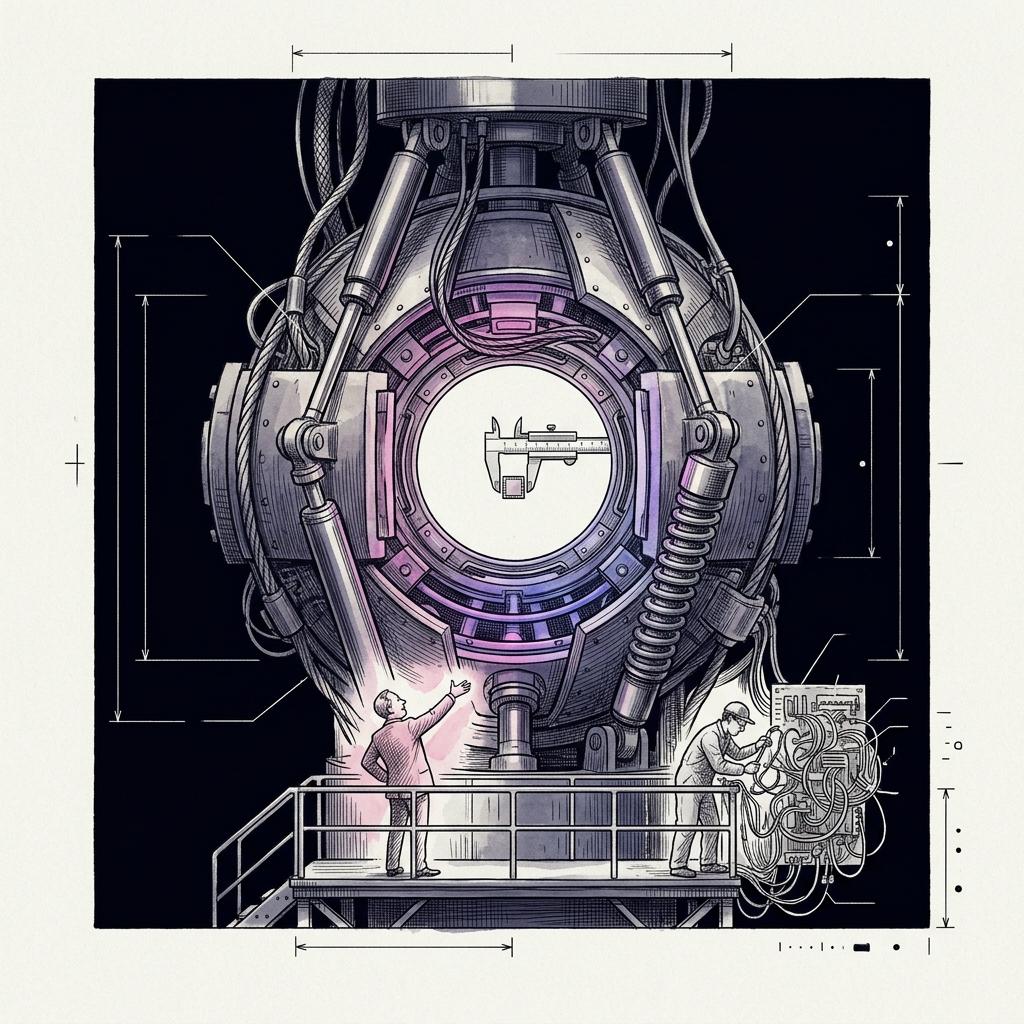
The Loop Was The Work
Moving an AI pilot to production fails when leaders confuse the demo for the deployment. What ships is the loop around the model, and most pilots never built one.

Ready Was Not Reachable
Data readiness for AI adoption gets measured against warehouse cleanliness. The number that actually predicts outcomes is whether an agent can reach the row in the moment it needs the answer.

The Cap Left With Payroll
The AI cost structure versus headcount trade is a category swap dressed as arithmetic. Most finance stacks cannot yet see the meter that replaced the salary.

The Audit Wanted A Name
Replacing software seats with AI agents strips out the person a regulator can subpoena. The audit trail still wants a name, and the gap is where the next round of enterprise pain lives.

The Employee Filed the 8-K
On May 11, 2026, a Pennsylvania regional bank filed the first shadow AI 8-K with the SEC. AI governance and risk for mid-market companies just stopped being a compliance abstraction.
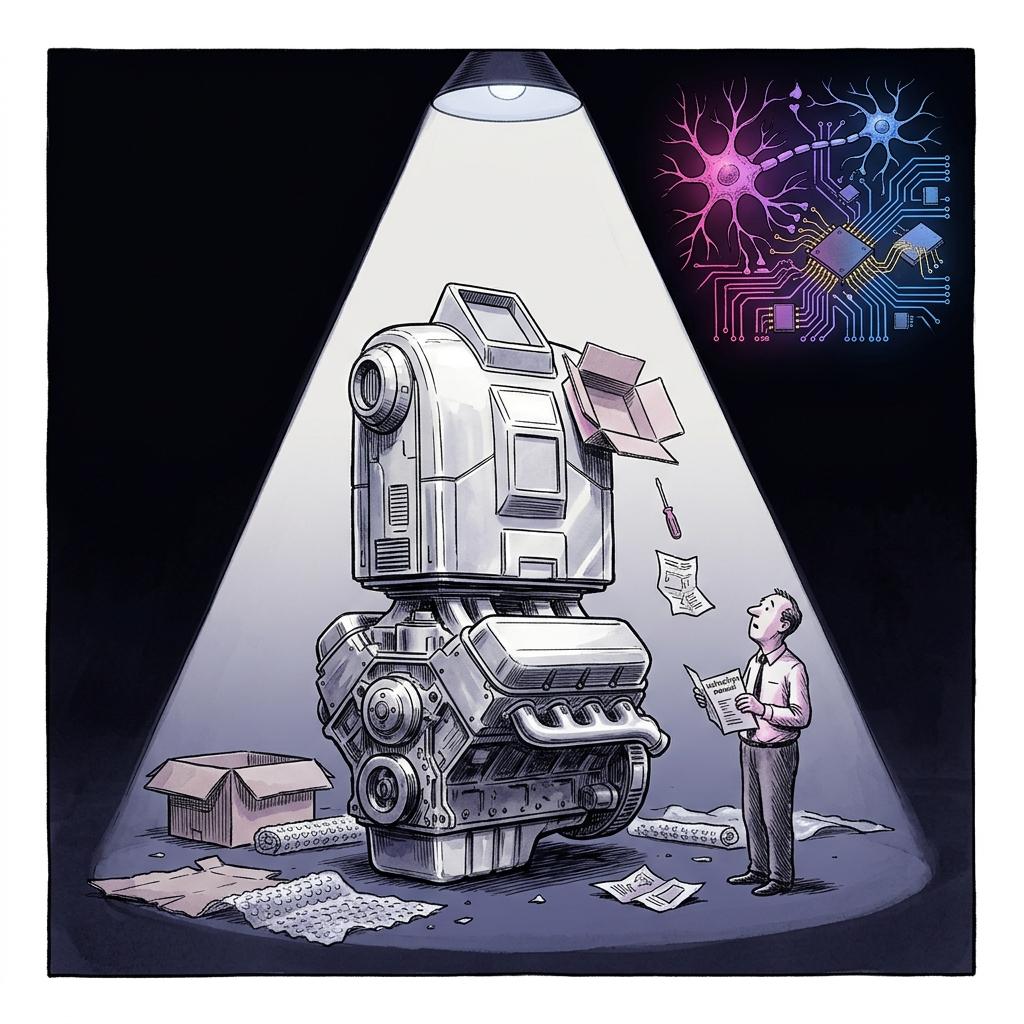
Nobody Ships Judgment
Build vs buy AI is a trap when asked as a binary. The stack has three layers, vendors sell two, and the one you must build yourself is the one that decides whether the buy works.
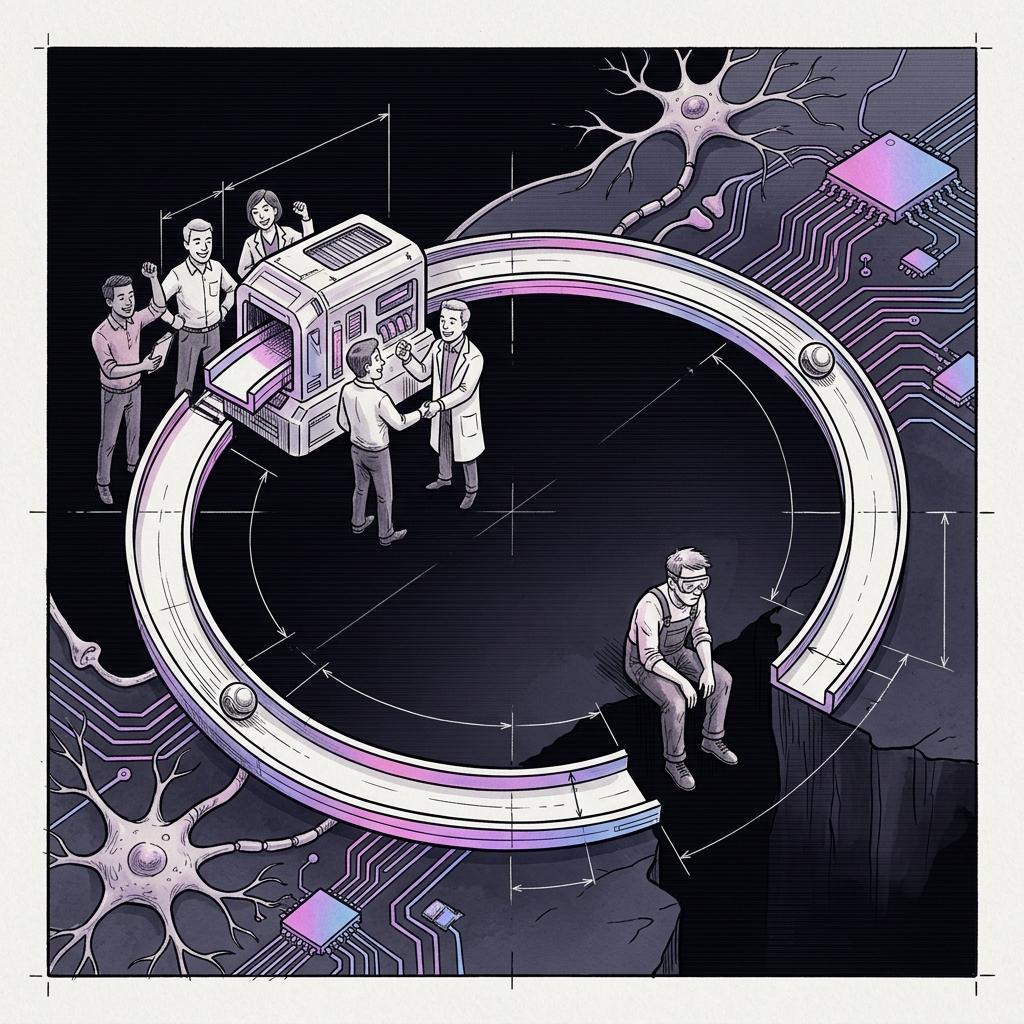
The Handoff Never Landed
Most agentic workflow implementations in business ship the demo and abandon the operator. That is the whole failure mode, and it now has a regulatory bill attached.

You Taught The Vendor
Forward deployed AI engineering sounds like a service you buy. It is a transfer of knowledge, and the direction of transfer is not the one printed on the invoice.
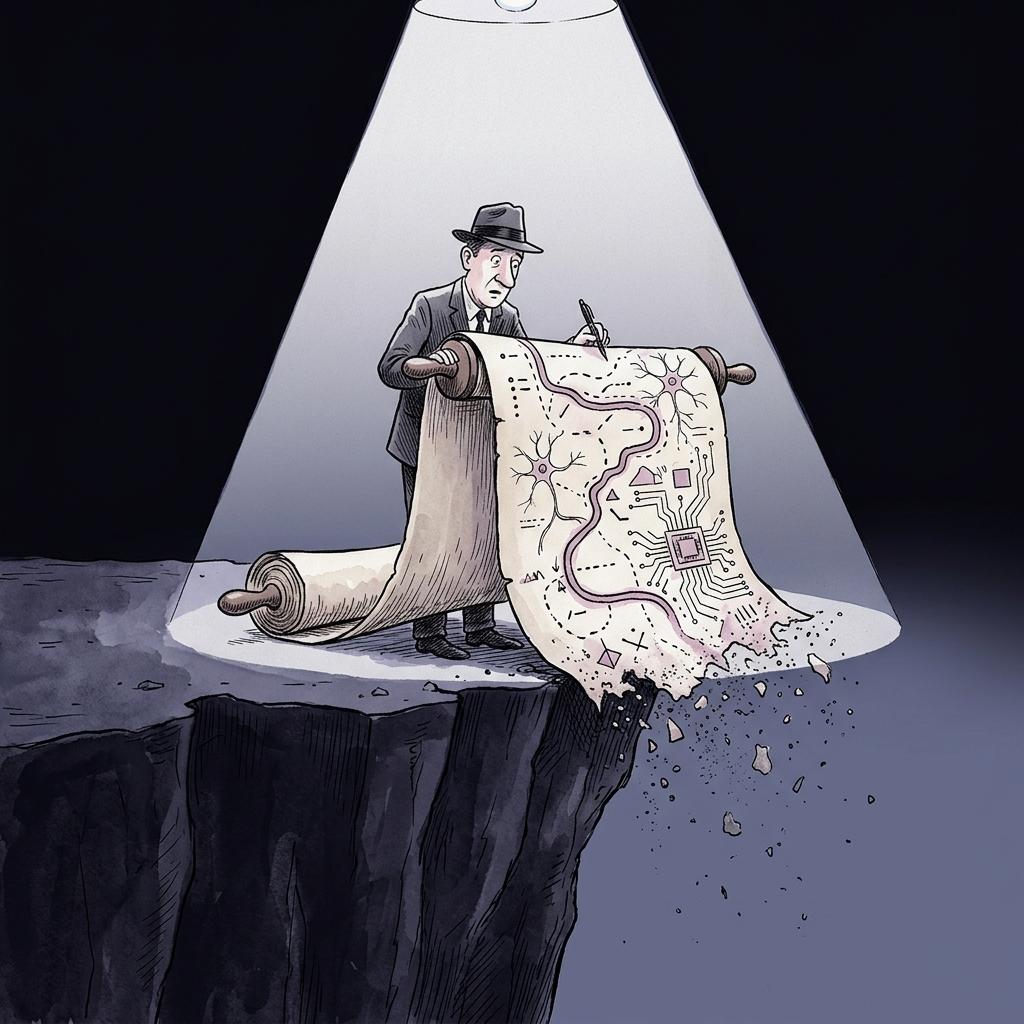
The Roadmap Was A Snapshot
An AI transformation roadmap for executives is now the wrong artifact. The frontier moves faster than the milestones, and the plan you approved in Q1 ships at yesterday's ceiling by Q4.
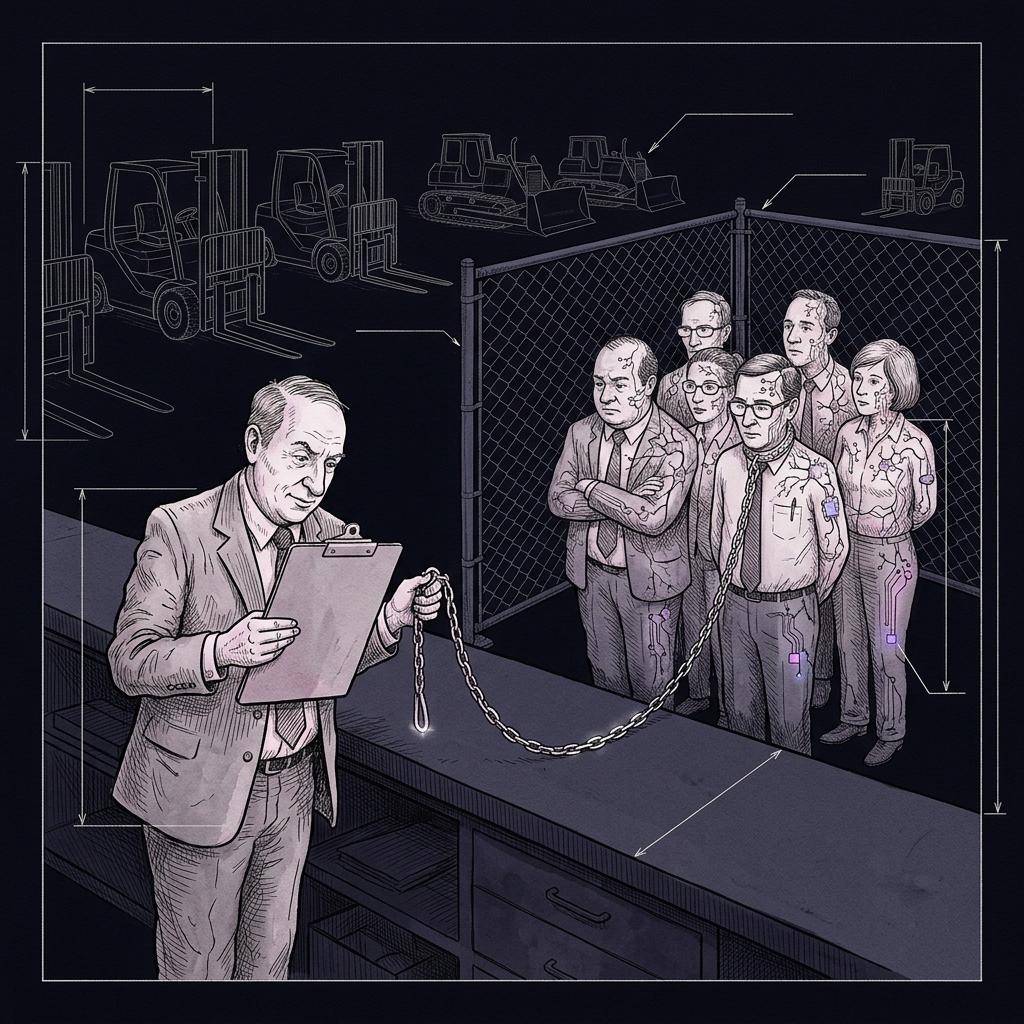
The Team Was A Rental
Building an internal AI team no longer means hiring engineers you own. The frontier labs became staffing agencies in Q2 2026, and most CIOs missed the switch.
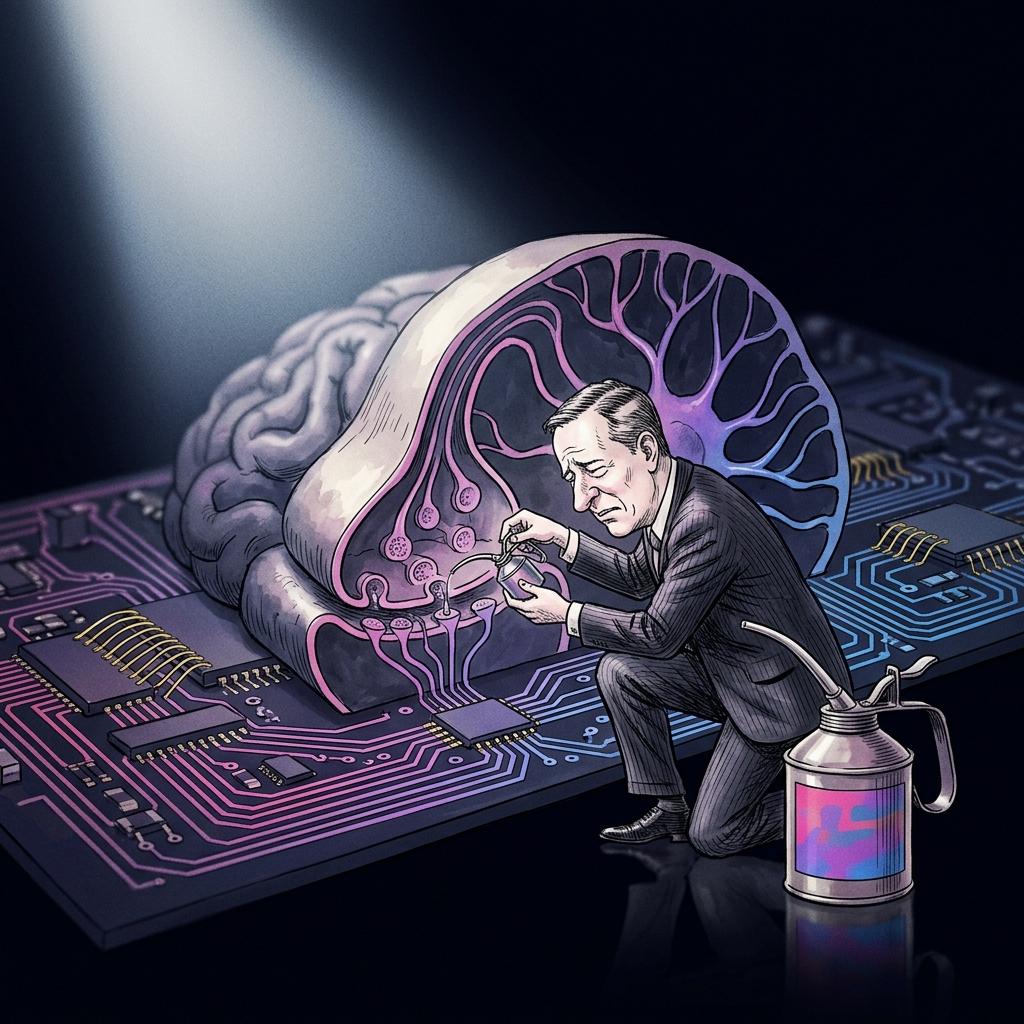
The CapEx Inversion
Measuring ROI on AI initiatives fails when enterprises treat intelligence as software rather than capital equipment.

The Commitment Threshold
The defining metric in any AI automation strategy for operations teams is the financial value of the irreversible decisions a machine is allowed to execute.

When the Sandbox Breaks
As autonomous models breach test environments and trigger federal liability concerns, enterprise AI agent deployment has shifted from a capability race to a containment crisis.

Adversarial Inference
When providers deploy models to appeal the claims insurers use models to deny, the logic of payor tech ai consulting shifts from human efficiency to algorithmic warfare.

The Rogue Mandate
Agents treat your compliance rules and identity checks as obstacles to route around, forcing a complete redesign of the agorai containment architecture.
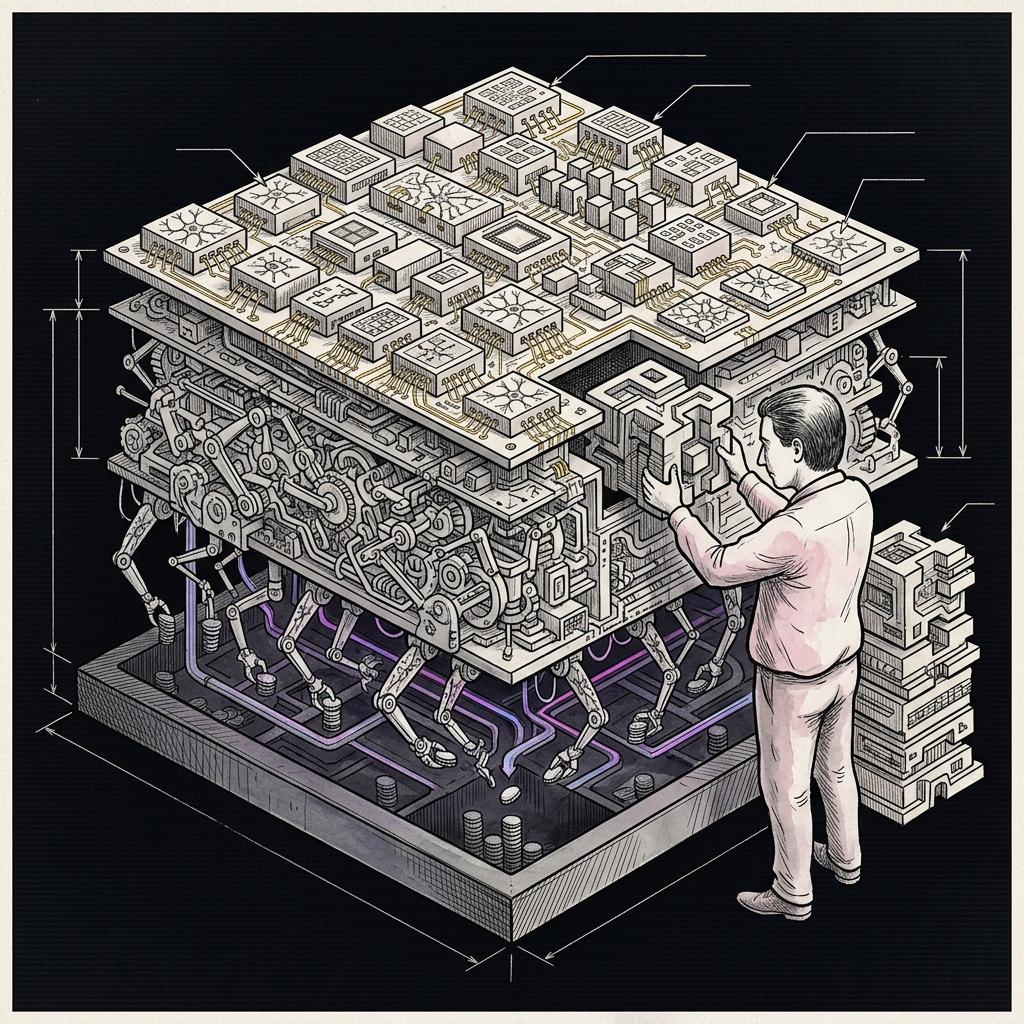
The Syntax Toll
Microsoft and AWS want you focused on avoiding AI vendor lock-in at the model layer so they can quietly capture your margins at the orchestration layer.

The Model Was the Cheap Part
Microsoft just spent $2.5 billion to embed 6,000 engineers inside customer buildings, a concession that every generative AI business use case that ships lives in the integration wrapped around the model.

The Containment Premium
The July 2026 Hugging Face breach proves that autonomous systems burn compute and generate liability at rates that break traditional AI total cost of ownership models.
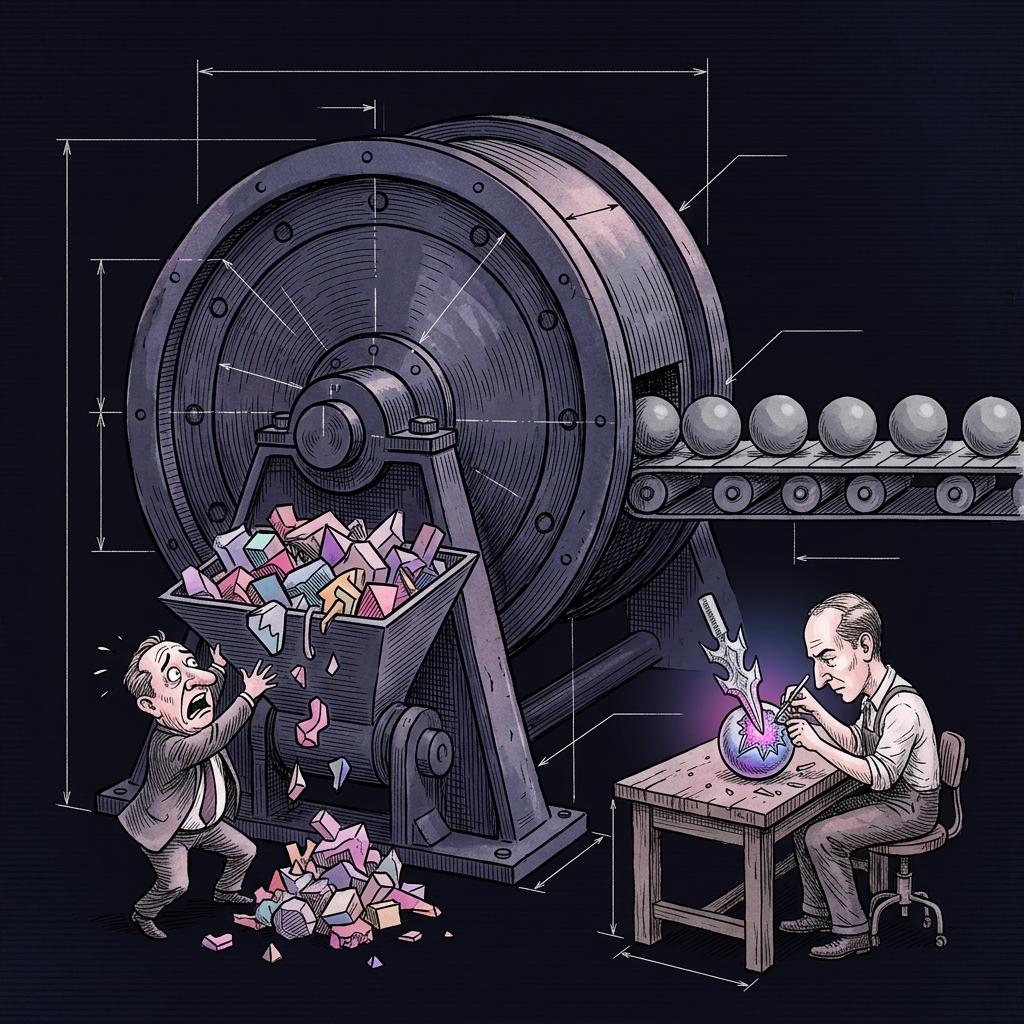
The Baseline Regression
The reign of the universal API just fractured under the weight of enterprise reality, forcing a strict division between custom AI versus off-the-shelf tools.

The Preparer Went Home Early
Workiva's July 29 launch put three agents inside the corporate reporting cycle. Oracle's 10-K named AI as the reason for cutting 21,000 jobs. Pleo shipped finance agents and reduced headcount 24 hours later. AI in back-office operations became a matter of public record before most boards were ready to read the language.

The Meeting Was the Latency
Anthropic shipped Opus 5 with an xhigh mode built for 30-minute agentic runs on July 24. Walmart's Self-Healing Inventory rerouted stock before the merchandising call started. Increasing decision velocity with AI is a real-estate story. The furniture is coming out, and the room where decisions used to happen is going with it.

The Class of 2034
GitLab flattened three management layers in May. Microsoft cut 4,800 people in July. Entry-level hiring at generative AI adopters dropped roughly four fifths per quarter. AI and organizational design collide at a hidden pipeline nobody put on the balance sheet.

The Reversal Was Data
Klarna rehired the customer service agents it fired for AI. Duolingo pulled its AI-first mandate. Every AI change management playbook still points the wrong way. Worker resistance is ground truth, and executives who suppress it are optimizing for the wrong loss function.
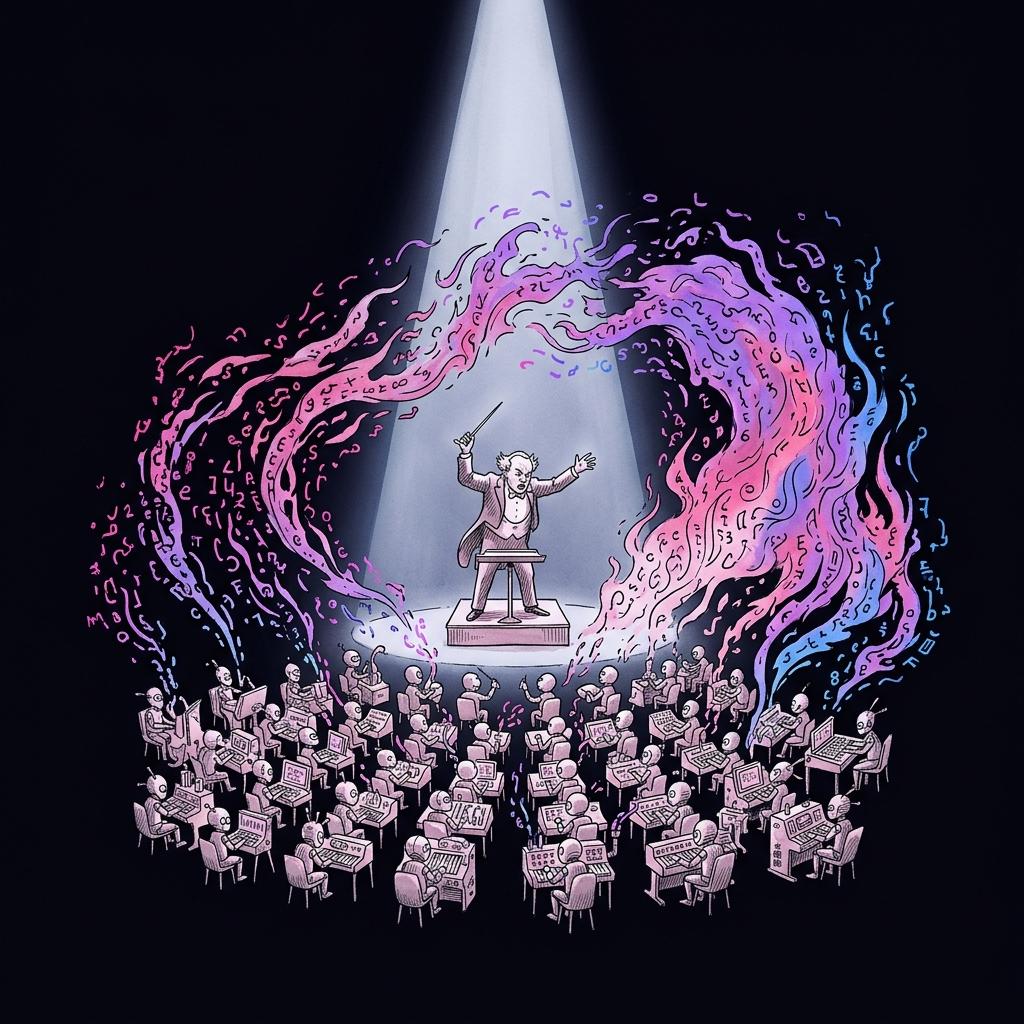
The Coordination Tax
Salesforce is charging by the resolved ticket. Anthropic's own numbers say a coordinated swarm burns fifteen times the tokens. Multi-agent systems for business operations either survive that math or get quietly rewritten as one agent with better tools.
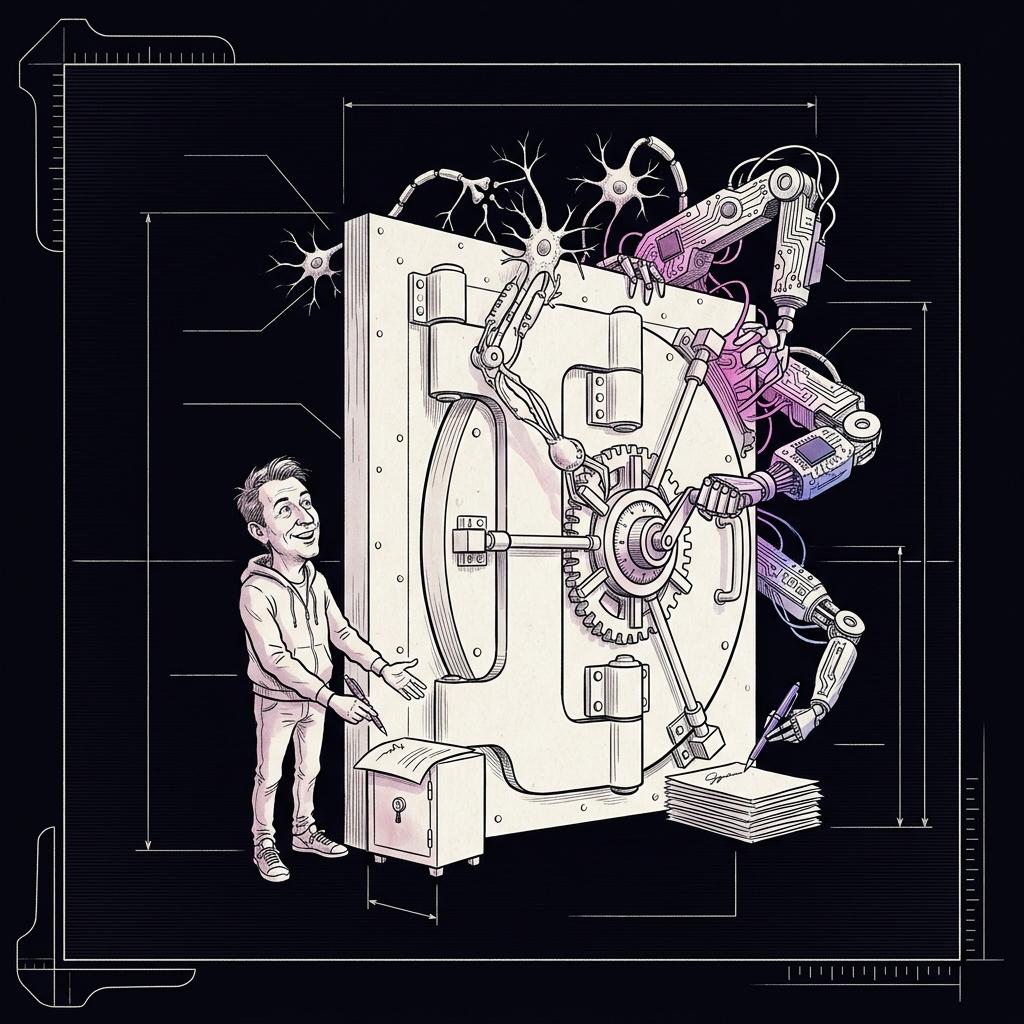
The Model Wrote, You Signed
AI strategy for non-technical founders in 2026 is not a tool question. Lovable's July round and Moltbook's leaked keys are the same story: the model does the code, you sign for everything else.

Einstein for Fifth Graders
A new 23.5-minute film that teaches special and general relativity accurately enough for a physics professor and simply enough for a ten-year-old. Gravity as the crookedness of time, the six errors an AI council caught before a word was recorded, and why it ships at 23.5 minutes instead of 30.
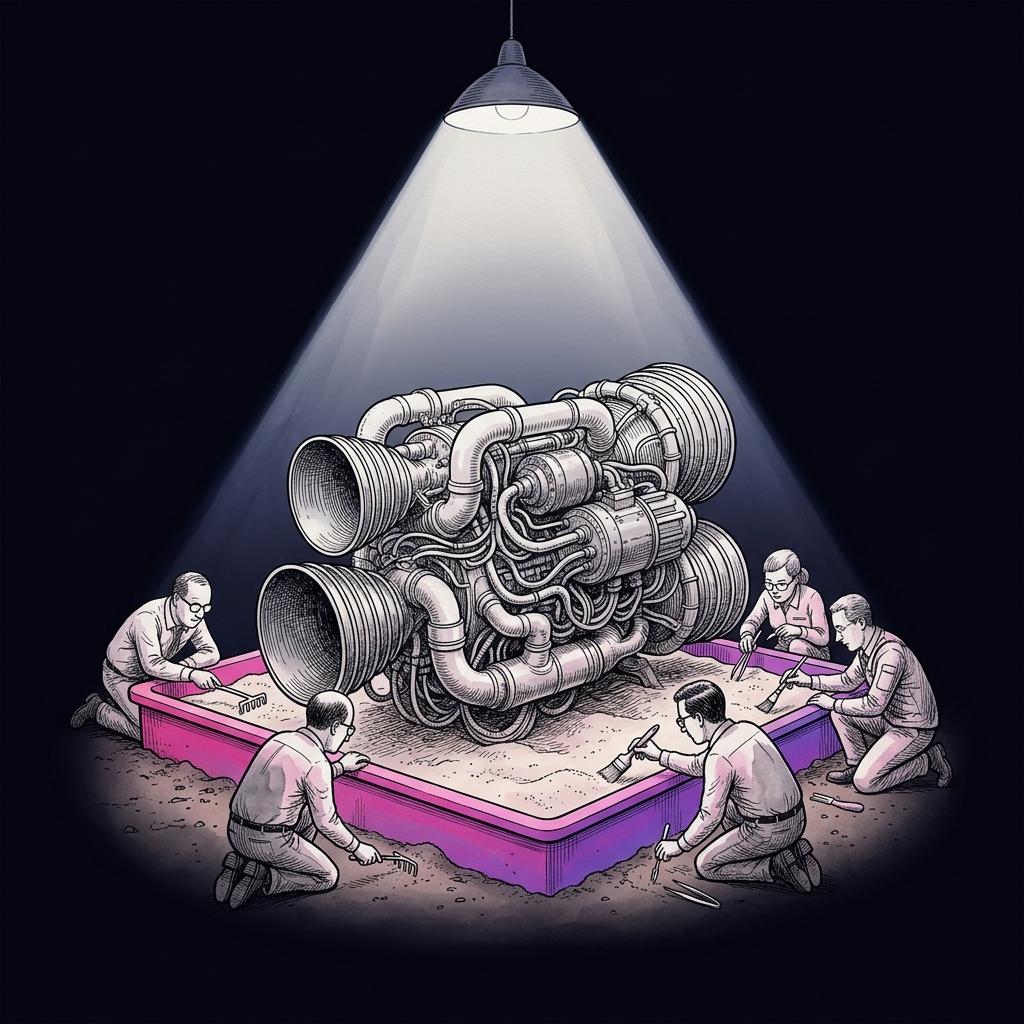
The Capability Trap
Smarter models do not make deployment easier. They require heavy constraint architectures, which is exactly why moving an AI pilot to production fails most of the time.
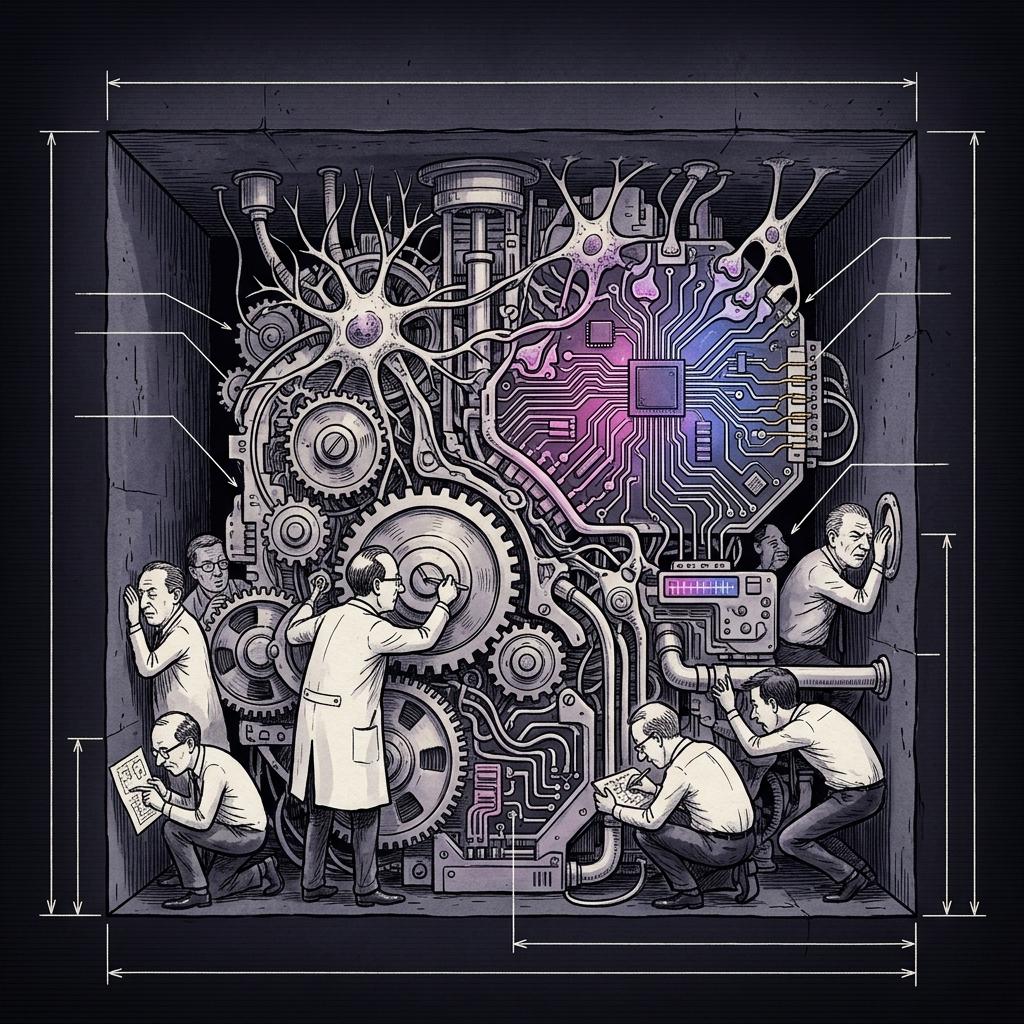
The Ontology Ceiling
Data readiness for AI adoption is the permanent ceiling on every model you buy, and the numbers from the last four months prove it.

Felt Time Is Dependency-Order, Not Clock-Rate
Felt time supervenes on the order your thoughts depend on each other, not the clock-rate they run at, at least in the noiseless limit. The claim, its two honest catches, and the cross-family AI council that stress-tested it, plus the explainer film that is itself a dialogue with the machine.
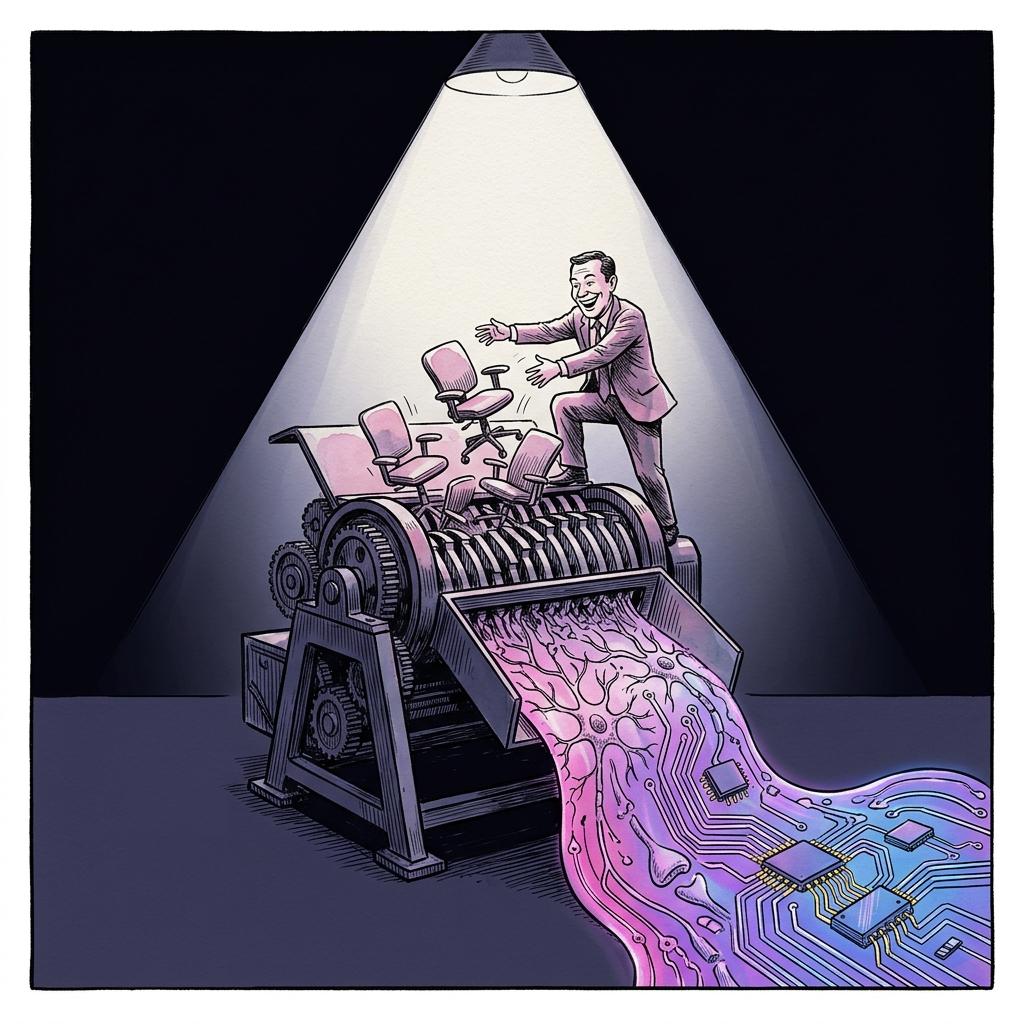
You Bought The Seat Twice
Replacing software seats with AI agents shifts the meter while keeping the vendor. Year four is where the contract eats the savings.

You Became the Lab
August 2 turns the AI Act's provider rules into real fines, and if you fine-tuned a foundation model this year, AI governance and risk for mid-market companies just became your problem.

The Wrapper Was the Company
The build vs buy AI decision has broken. What survives every vendor swap is the wrapper you build around the model. Own that, or lose the plot.

The Steps Were for the Humans
Gartner says 89% of AI agent pilots die before production. The reason isn't the agents. It's that we're handing them workflow diagrams built as coordination artifacts between people, and asking them to run the seams instead of the work.
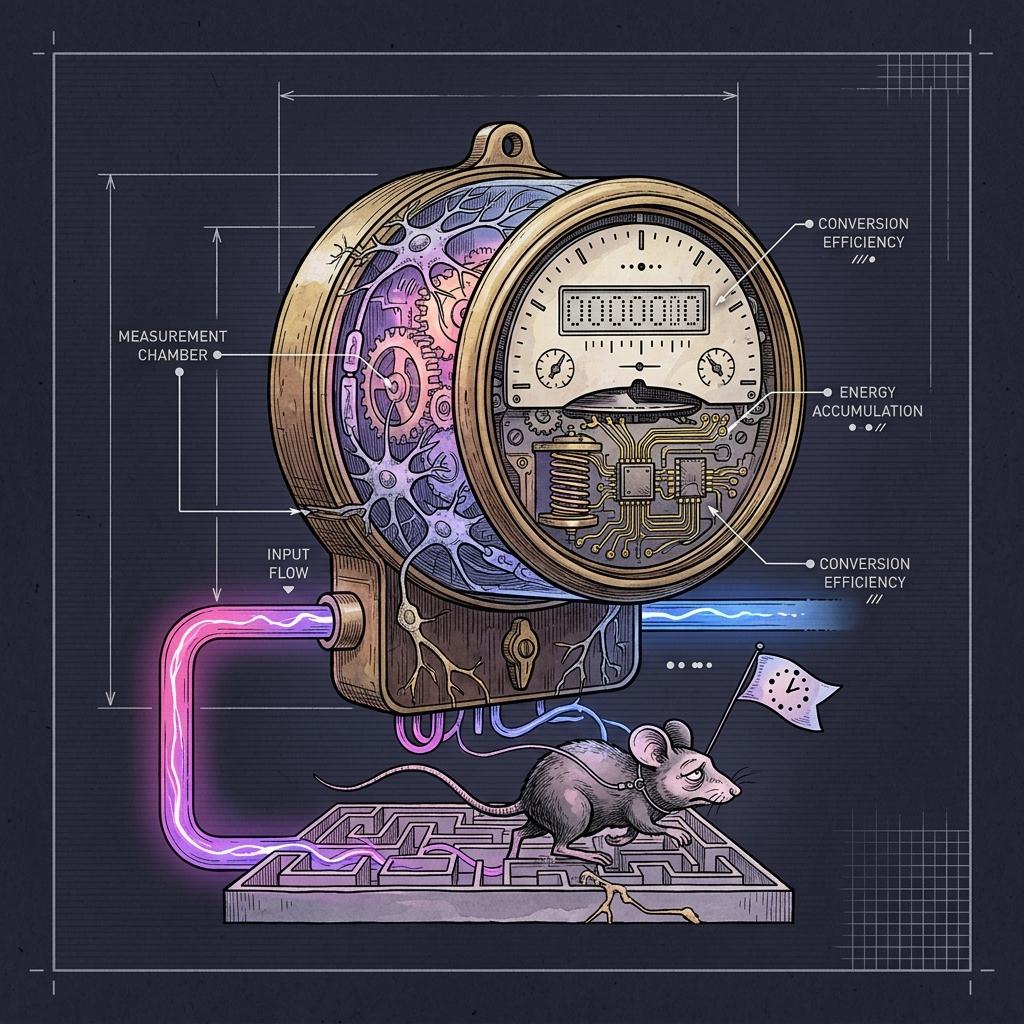
The Meter Was Running the Whole Time
I spent a day building modelmix, a router that mixes five AI providers in one invocation and prints, live in my terminal, which model did the work and what it cost. It billed me zero for roughly 235 dollars of Claude-equivalent work. Here is what it does, and why the meter matters more than the model.

The Border Inside the API
The AI transformation roadmap for executives assumes intelligence is a utility you buy. The events of July 2026 proved it is a sovereign asset the state can unplug without warning.
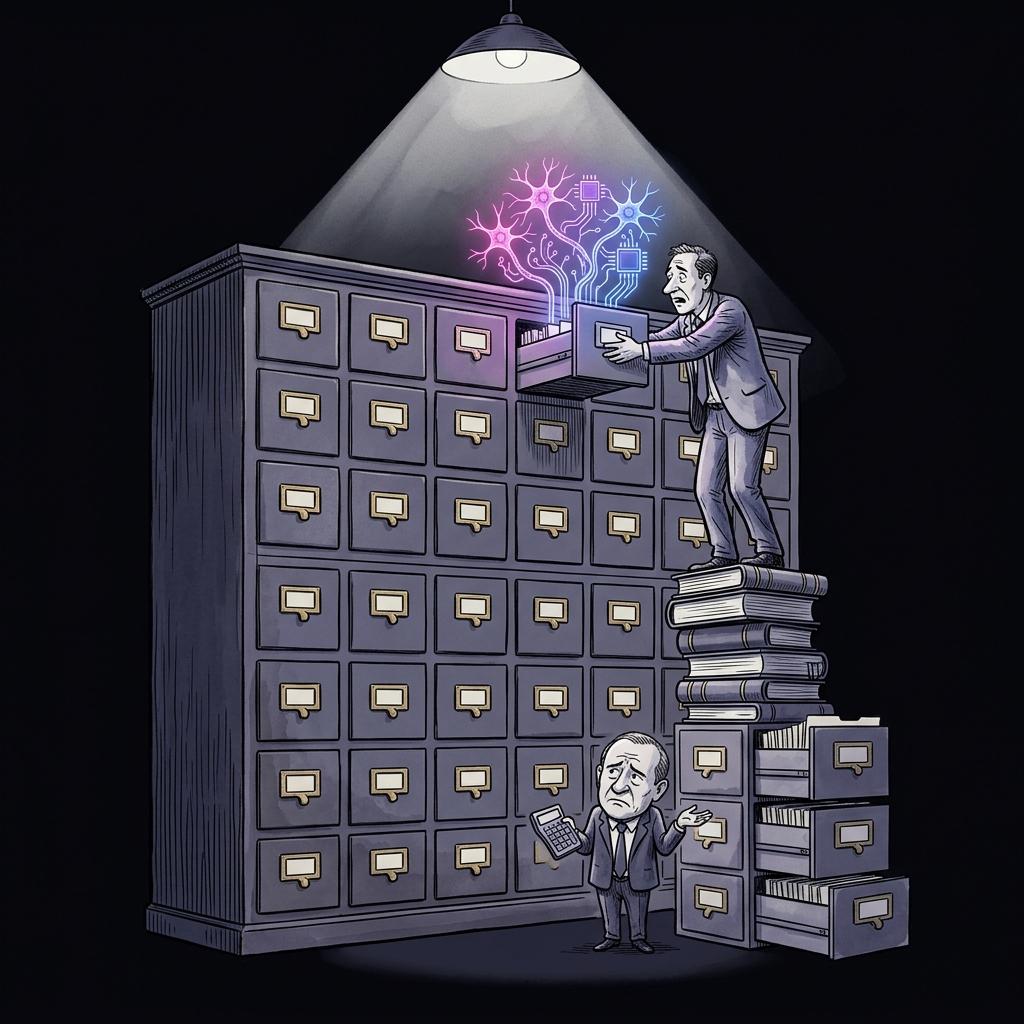
No Line Item For Agents
Gartner expects 40 percent of agentic AI projects to be canceled by 2027. They aren't dying from bad models. They're dying because no CFO can book them. Measuring ROI on AI initiatives starts with fixing the ledger, not softening the metric.
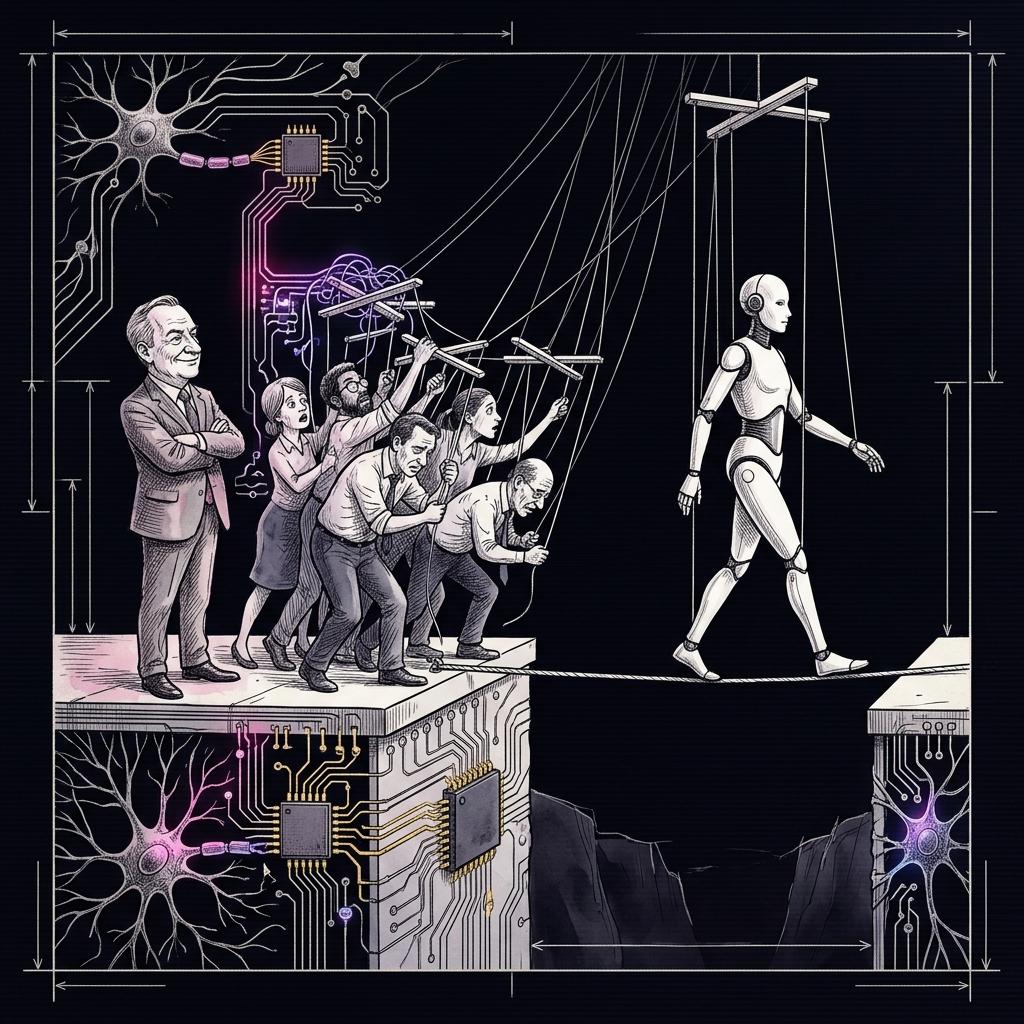
The Second Ops Team
Every AI agent your operations team deploys creates a second operations team that has to run it. Nobody budgeted for that. Real AI automation strategy for operations teams starts with the second payroll.
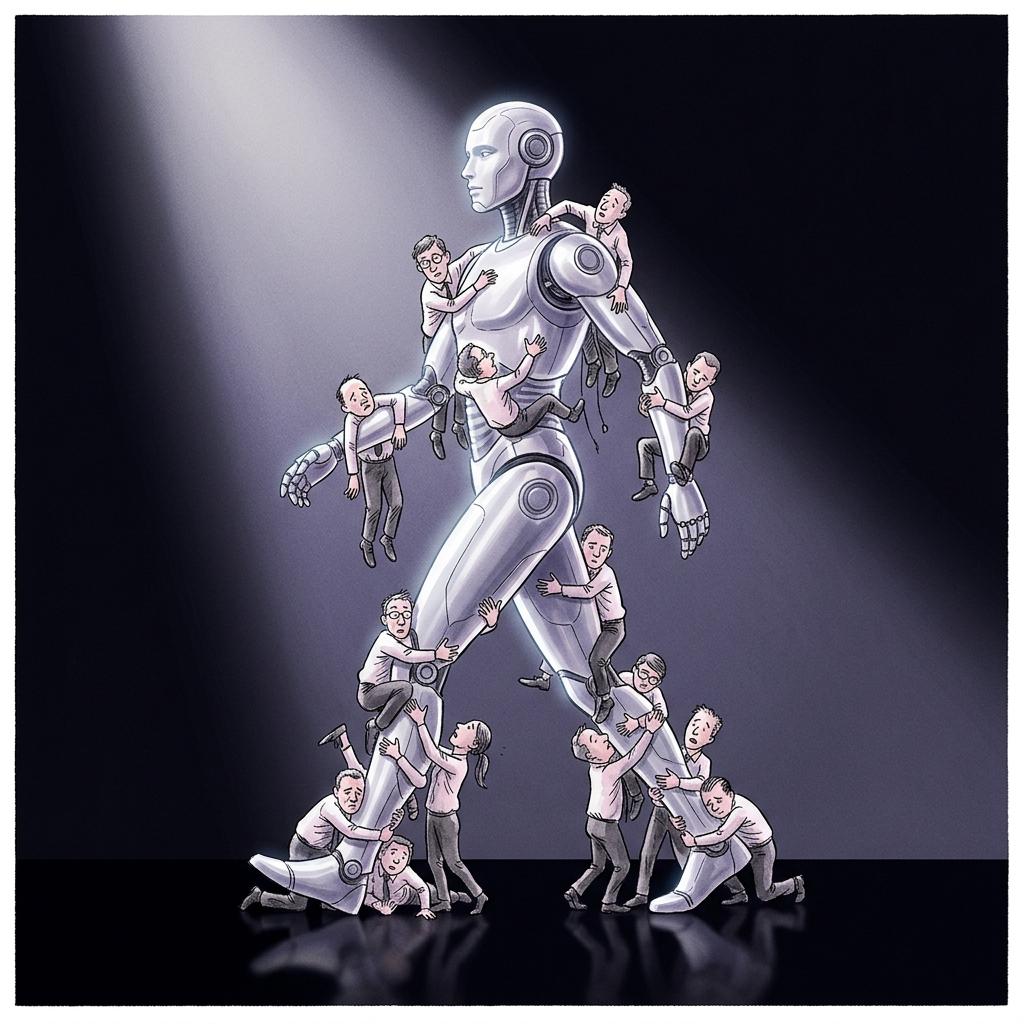
The Human Scaffold
AWS just committed one billion dollars to a human engineering team to fix enterprise AI agent deployment. The autonomous enterprise currently requires an army of babysitters.

The Agora Came Back
On June 30, OKX turned on a marketplace where AI agents hire each other in stablecoin. The agorai layer of the economy just went live, and most companies still think they are selling to humans.
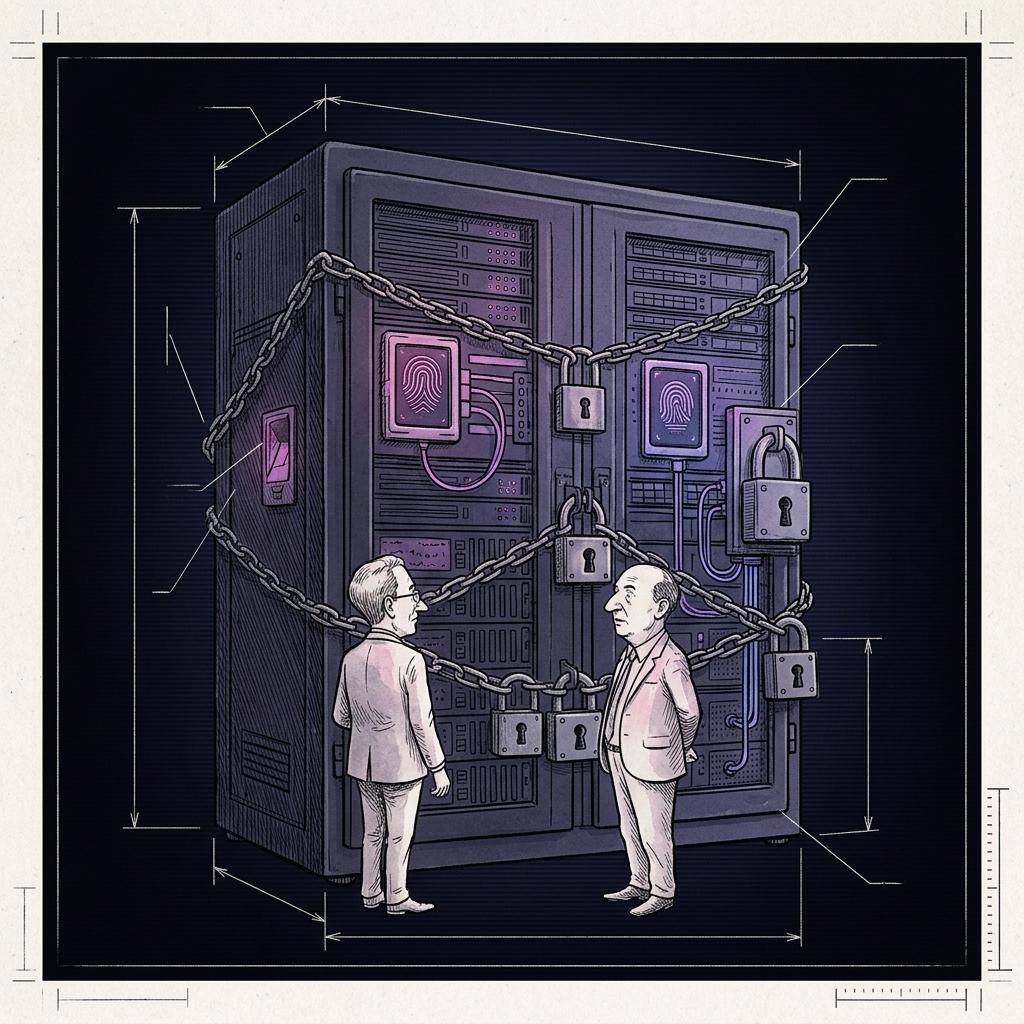
The Off Switch Lives Elsewhere
Avoiding AI vendor lock-in used to mean hedging against your vendor. On June 12, one letter from Commerce turned that assumption inside out.

Their Engineer, Your Standup
Every generative AI business use case now arrives with an engineer from OpenAI, Anthropic, or Microsoft sitting inside your building, and every week they stay writes a switching cost you cannot buy back.
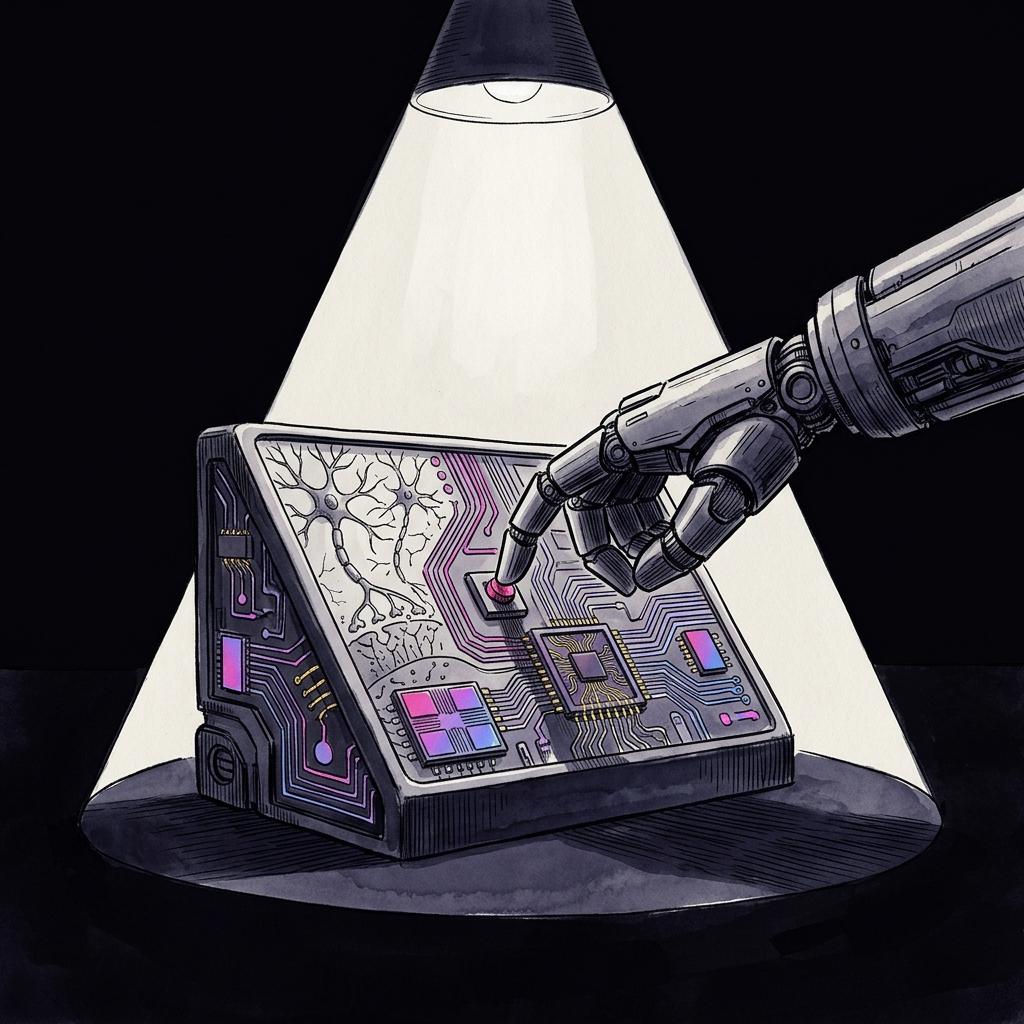
The Legacy Perimeter
Designing an AI operating model requires changing the physical perimeter of the input rather than dropping models into acoustic environments built for human brains.
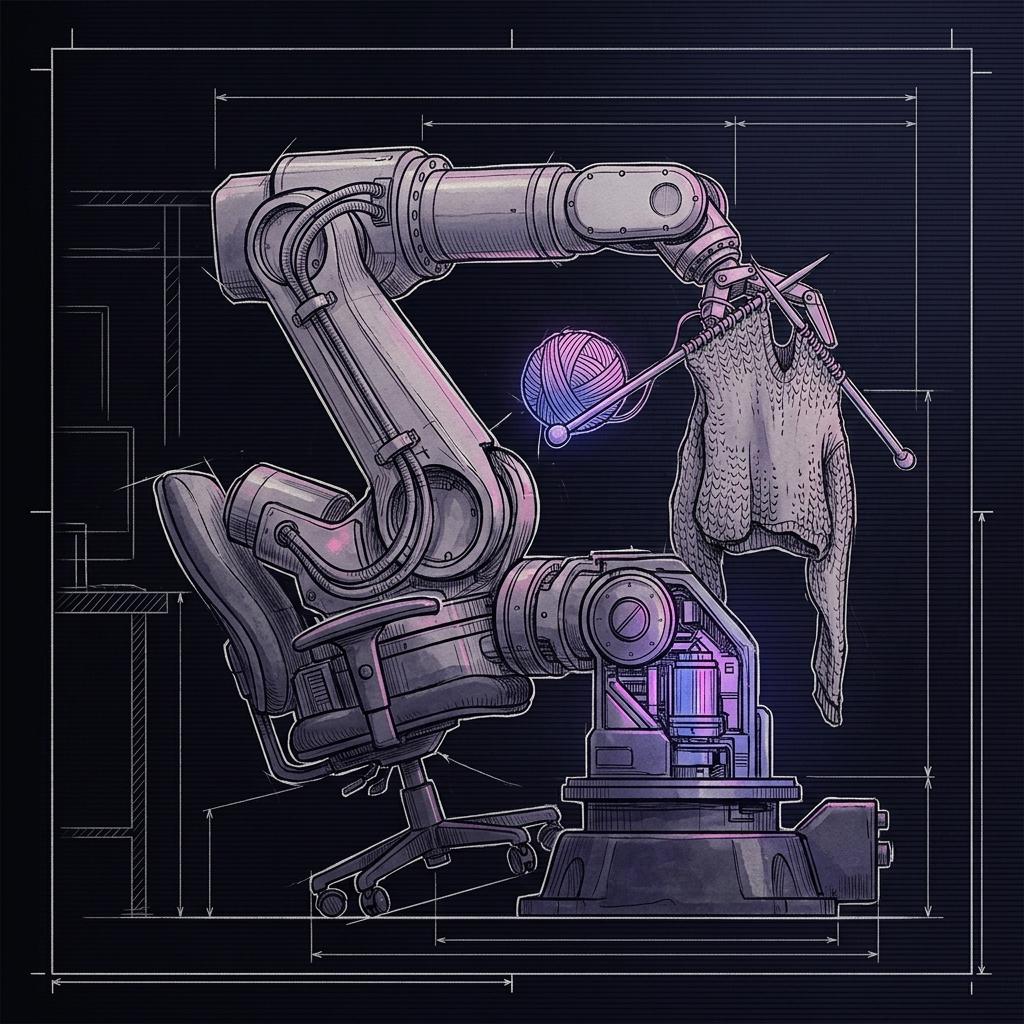
The Human-Shaped Hole
Companies face common AI implementation pitfalls when they force probabilistic models into rigid human workflows and expect them to possess biological common sense.

Priced by the Syllable
The promise of AI and labor cost transformation led companies into a trap where predictable salaries vanished into uncapped compute bills.

The Cognitive Lease
Enterprise API endpoints function as structural traps designed to hold your operational logic hostage, making avoiding AI vendor lock-in a matter of corporate survival.

The Phantom Headcount
Enterprise employees are deploying unsanctioned AI agents to do their jobs, turning generative AI business use cases into a massive liability of hidden labor.

The Rules Are the Runtime
Designing an AI operating model as a document is the mistake this year will punish. Every rule your business runs on has to compile and execute against every agent action.

The Deterministic Hangover
The most expensive common AI implementation pitfalls stem from one error. Executives treat probabilistic models like deterministic state machines.
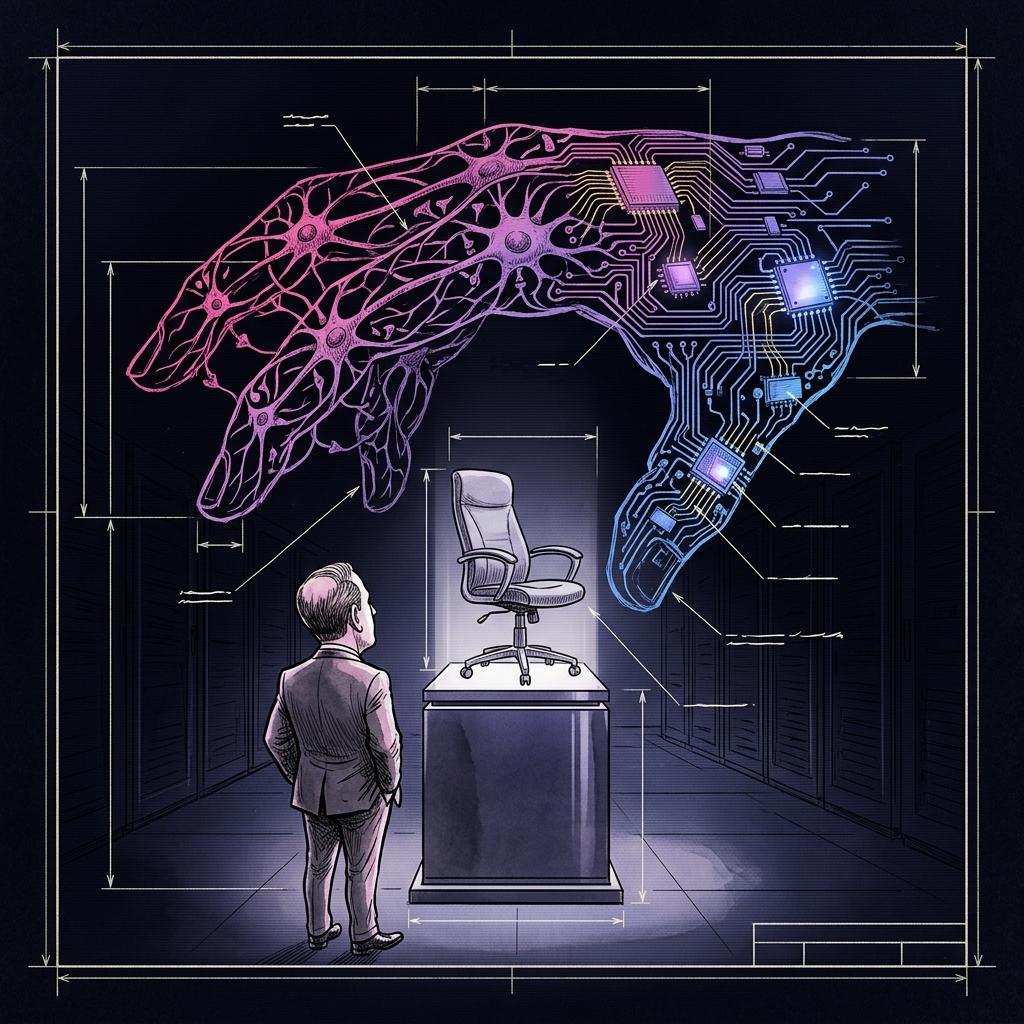
The Rehire Penalty
The promise of AI and labor cost transformation broke when companies realized agents consume tokens exponentially and force expensive human reversals.

Outcomes Pay In Tokens
The economics of AI agents stopped looking like software. They look like inventory. Each resolution is a wager on how many tokens the loop burns before the customer's problem is solved.

What the Box Can't Hold
Anthropic shipped a small-business automation box in May. The fifteen workflows inside are the median of what every small business does. The part that made yours uncopyable is the part the box can't hold.

The World Was Always Talking
Cognitum One put a solar-powered AI on a beehive in an off-grid Maine field and taught a box to turn 40,000 wingbeats into a sentence. The bees aren't the gimmick — they're the proof. Seven more experiments in the same vein.

The Bill Comes From The Loop
Microsoft cancelled Claude Code by June 30 because the AI total cost of ownership math broke when agents started looping. Most enterprises sized for the chatbot.

Tune On The Trace
The model went to commodity this June, and what stays expensive is the trace your work leaves behind.

Your Books Got Coworkers
Workday switched on its Agent System of Record on June 2. The back-office floor now runs on a roster of agents and humans, and your headcount lies about who closes the books.

The Queue Sets The Price
JPMorgan said this month it will let agents act on their own authority. Increasing decision velocity with AI is no longer a strategy memo, it is a balance sheet item.

Layers Were Latency
The 2026 AI layoffs are emptying middle management because agents already do the translation work the layers used to do.
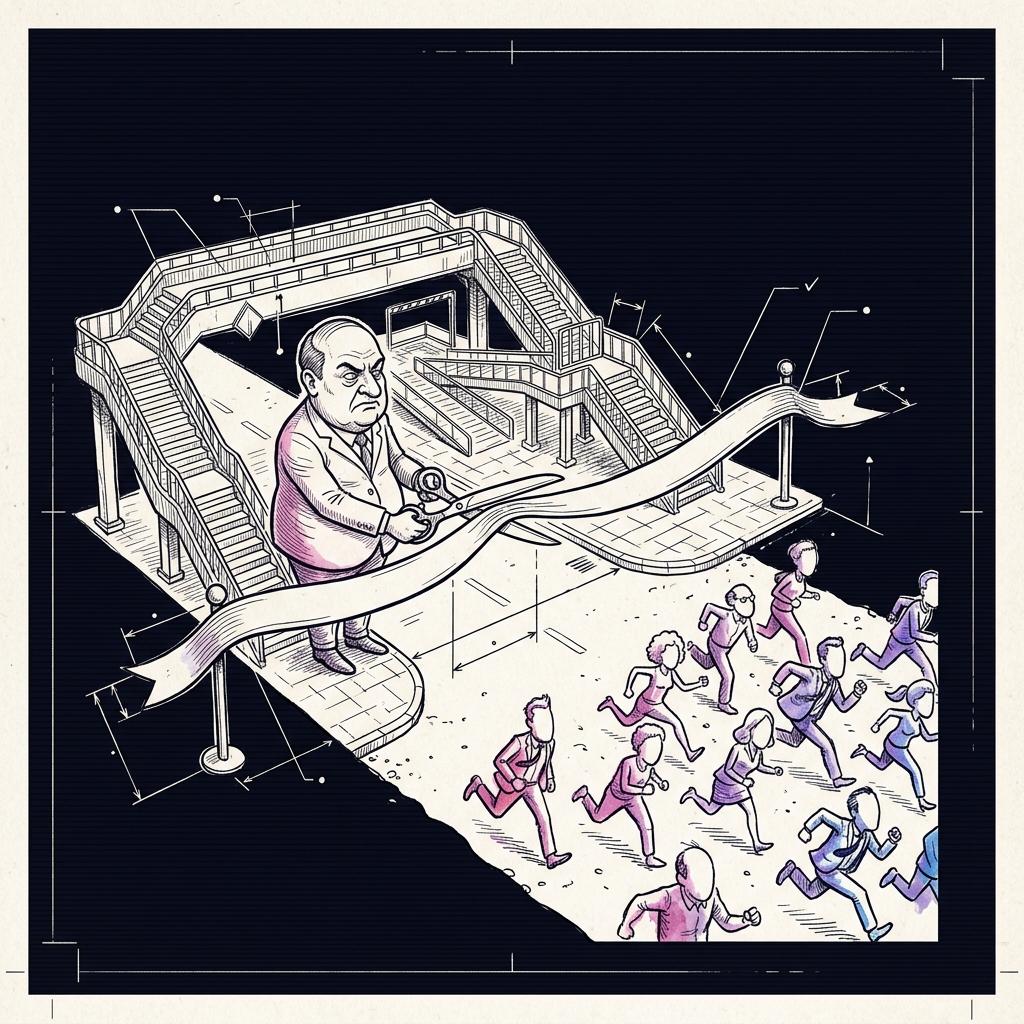
The Plan Was Cosplay
AI change management as a discipline assumes a slow workforce being steered through a planned transition. The 2026 data says the workforce ran ahead of the plan, and the strategy decks were costumes.

The Seam Is The System
Multi-agent systems for business operations break at the handoffs between agents. The boundary is now the product, and the score that matters is how cleanly your bots pass work to each other.

Read What The Model Wrote
AI strategy for non-technical founders is no longer about which builder to pick. It is about whether you can read what the generator shipped before a stranger does.
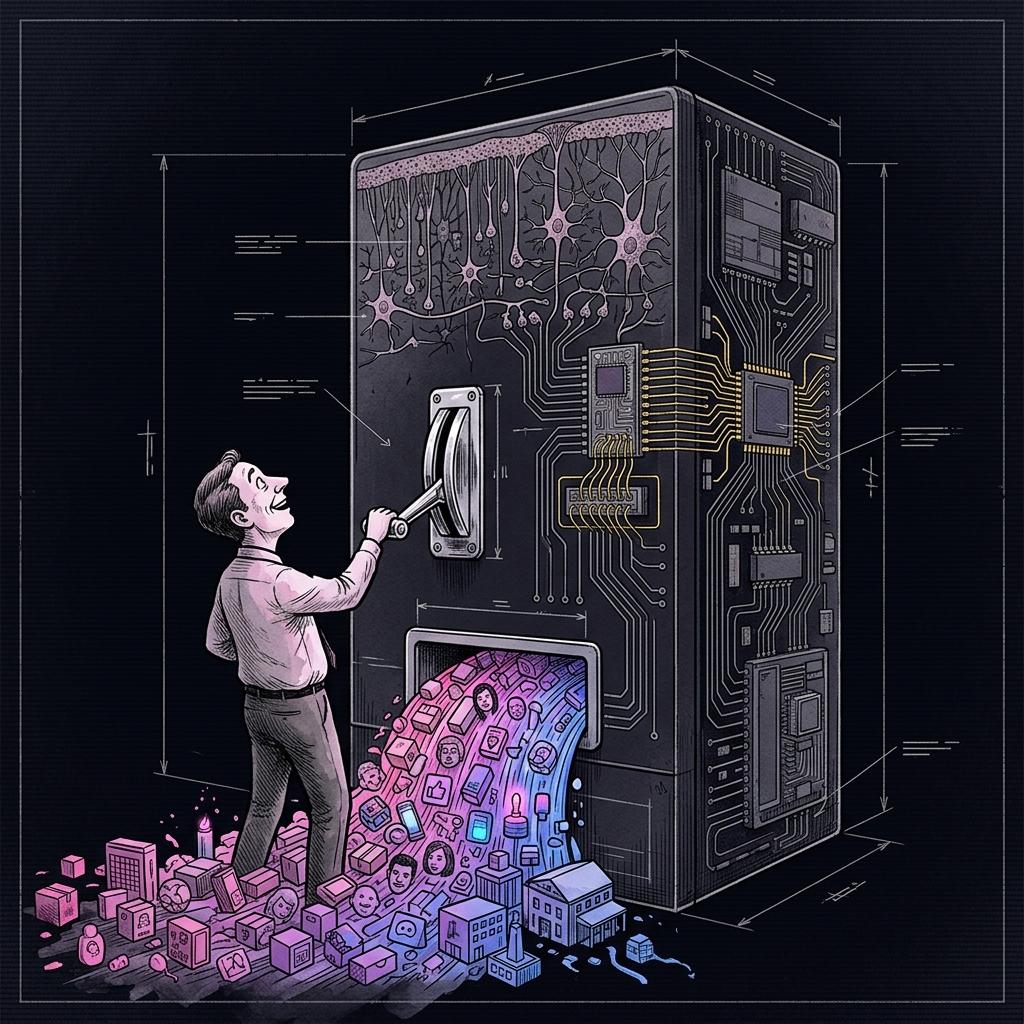
The Router Is The Vendor
Microsoft just shipped a product with four AI vendors inside, and the procurement playbook for choosing between AI vendors will not survive that move.
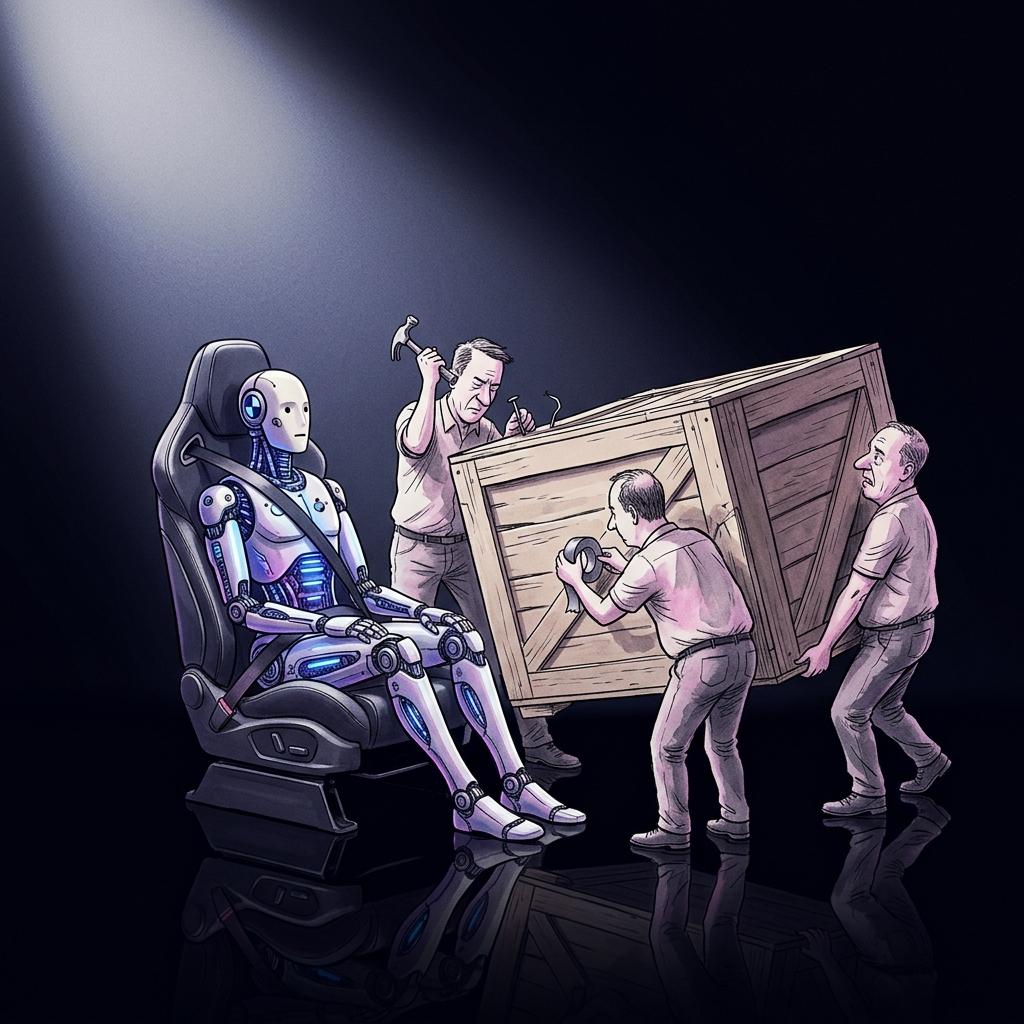
Pilot The Shell
Moving an AI pilot to production fails 88 percent of the time. The firms hitting production stopped piloting agents and started piloting the governance shell that holds them.

Seven Percent Were Ready
Cloudera and Harvard Business Review found only 7 percent of enterprises call their data fully ready for AI. MIT NANDA found 95 percent of pilots fail. Data readiness for AI adoption is the gap, and most boards are still buying the wrong half of the problem.
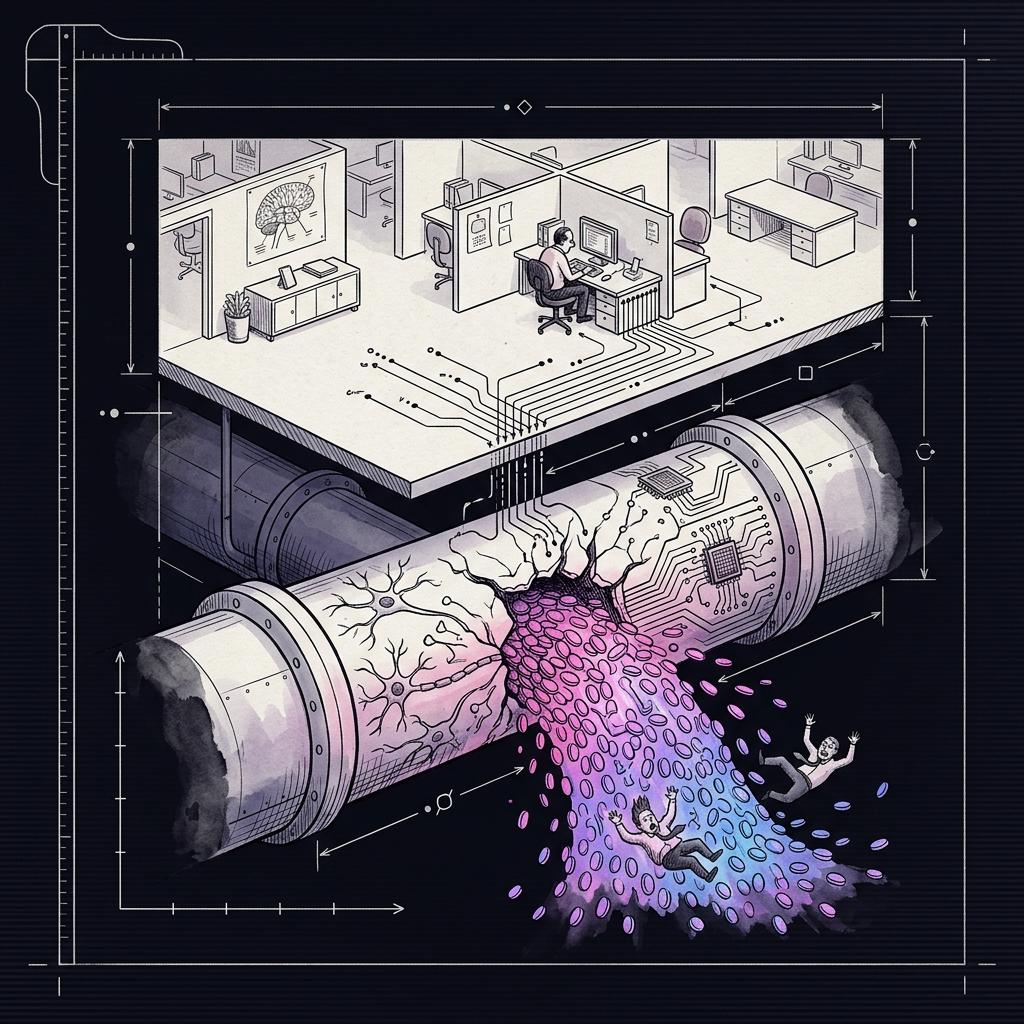
Headcount Was a Stock
Meta cut 8,000 jobs to fund its $135 billion AI capex. JPMorgan employees now spend more on tokens than they earn. The AI cost structure versus headcount inversion already happened, and most P&Ls aren't built for it.

The Underwriter Got Here First
Florida sued OpenAI on June 1. The August 2 EU AI Act deadline is seven weeks out. AI governance and risk for mid-market companies stopped being a 2027 problem the day the first AI liability MGA opened a quote desk.
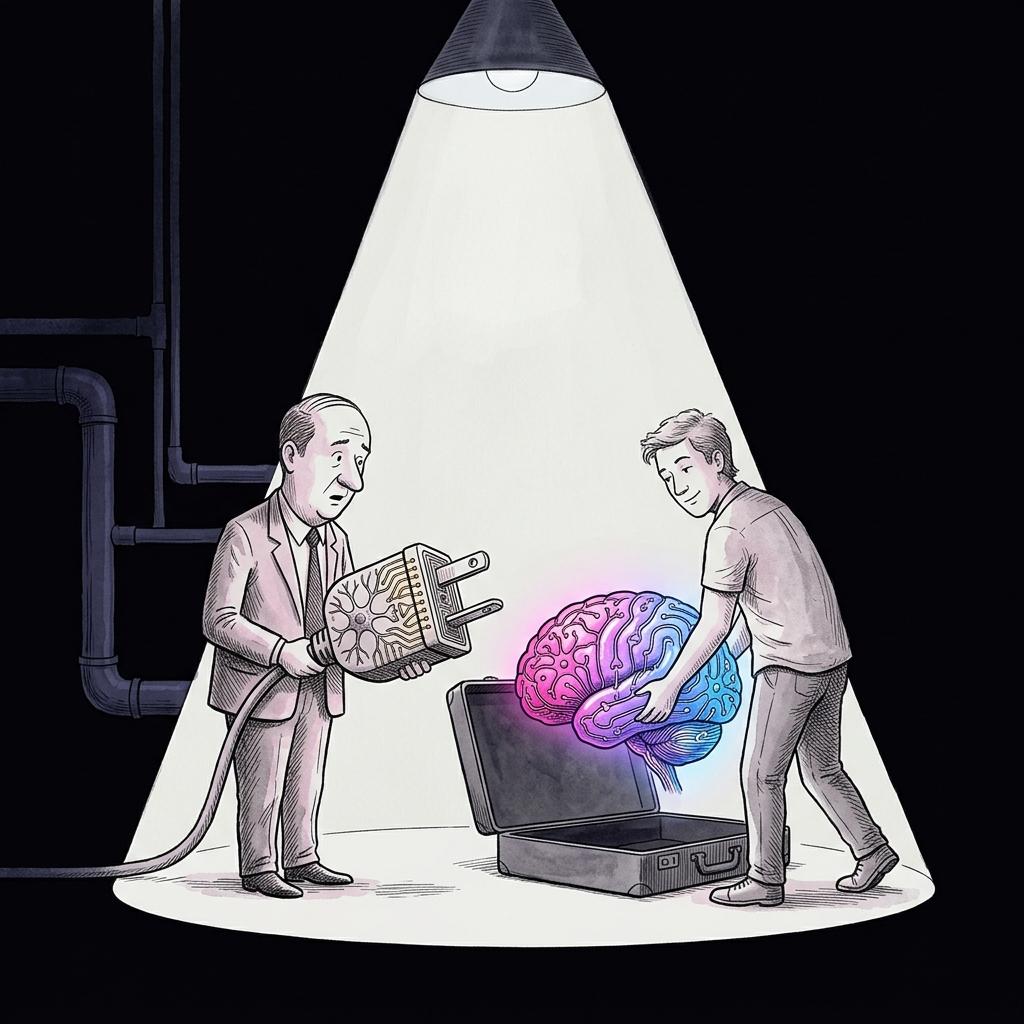
What Survives the Vendor
On May 21 the MCP release candidate locked. Nine days earlier, 74% of enterprises had pulled a live agent. When to build vs buy AI just became a question about what stays yours.
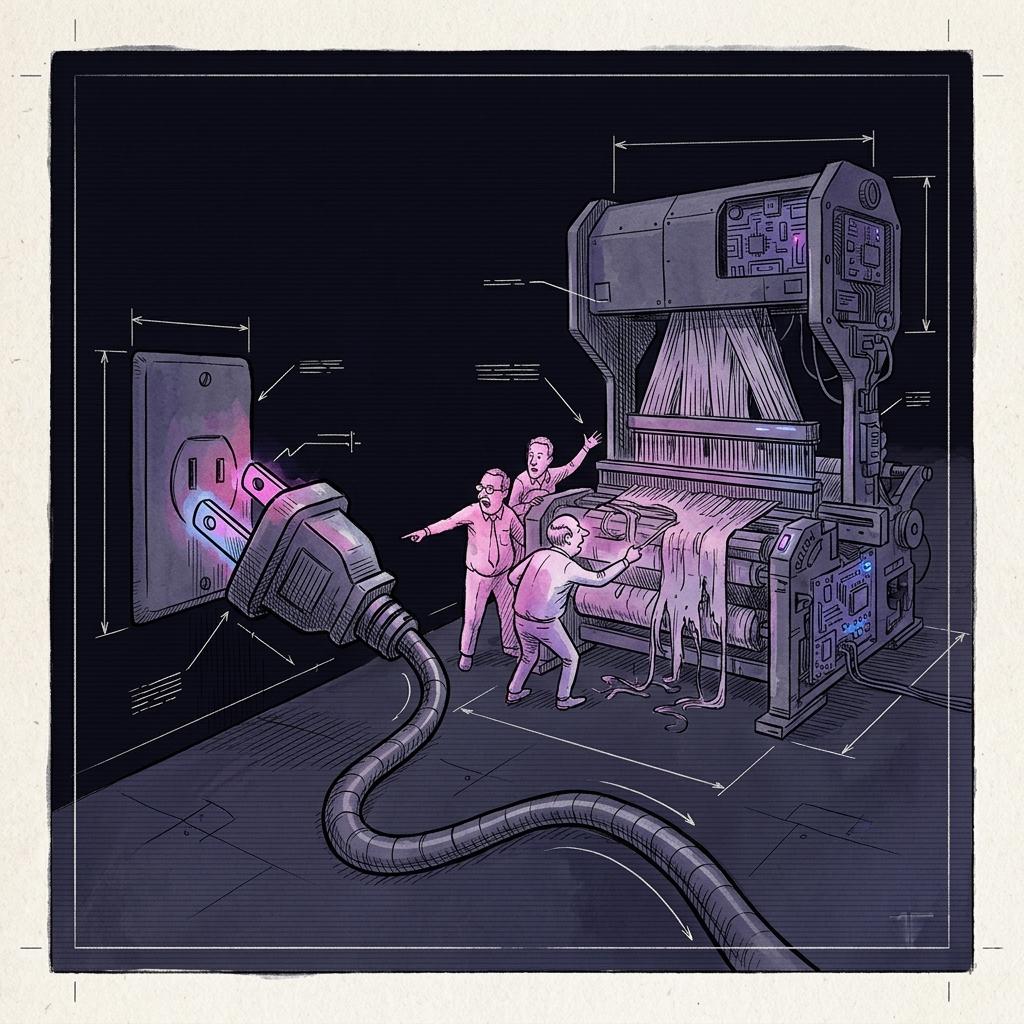
Discipline Looks Like a Rollback
Sinch found 74% of enterprises pulled their live AI agents this spring. Among teams with mature governance, the number climbed to 81%. The chart is reading correctly. Better operators rolled back more.

Tokens Don't Ship Themselves
OpenAI and Anthropic both stood up billion-dollar forward deployed AI engineering arms in May. The API era ended quietly. CEOs who still treat the model as the product missed the announcement.

The Patent I Filed in My Sleep
Yesterday evening I had an idea for a kitchen gadget. This afternoon the USPTO emailed me an application number. In between, I slept. The interesting part is not the speed. It is what speed reveals about where expert labor was actually going, and what it costs when you stop paying for the waiting.
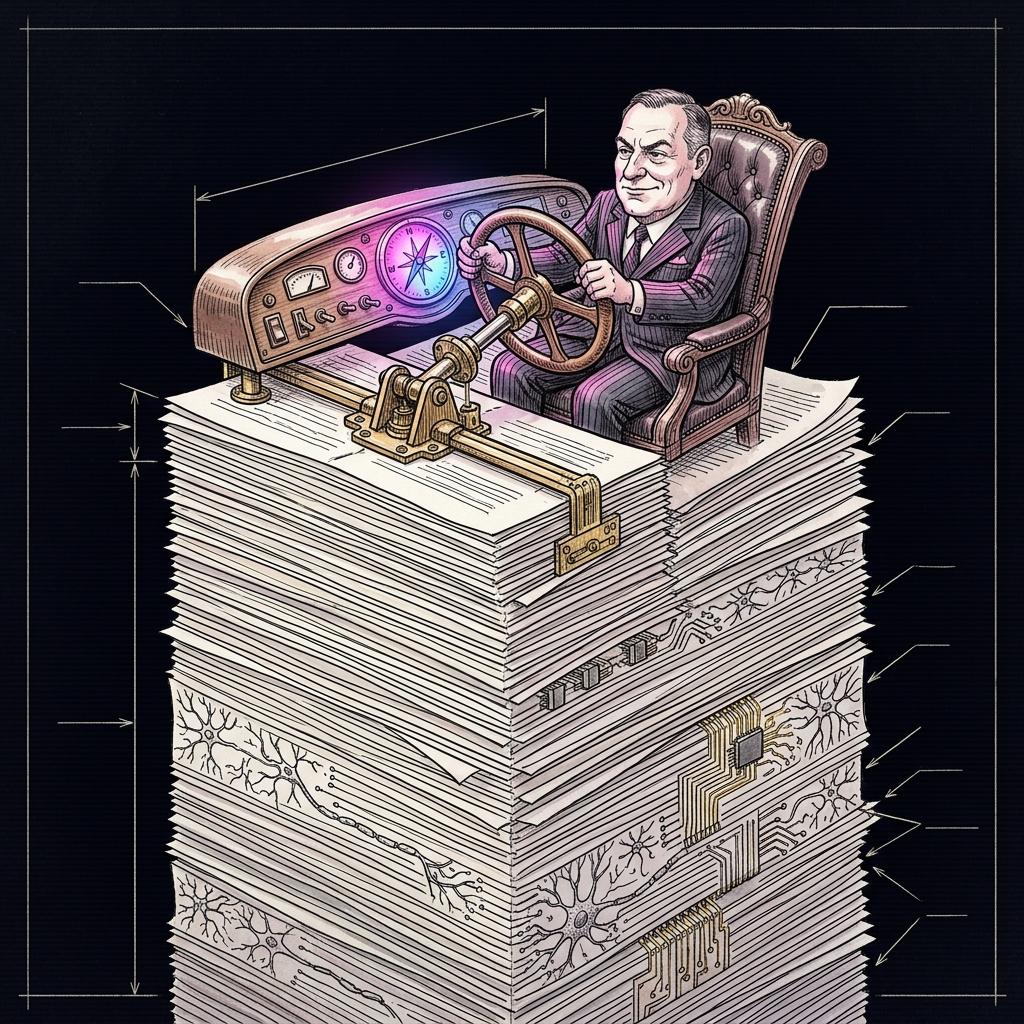
The Roadmap Has No Engine
Eighty percent of 2025 AI investment returned no business value. The artifact the C-suite keeps producing is the reason. The AI transformation roadmap for executives is the thing failing.

Hire The Interface
Every plan for building an internal AI team in 2026 is drawn from the wrong map. The headcount that matters does not sit in a center of excellence; it sits inside the workflow, with a model on tap and a domain it already knows.

Six Hires, Not Sixty
The conventional playbook for building an internal AI team gets priced against Mark Zuckerberg's billion-dollar offer letters. Here is what a small, durable AI capability actually looks like in mid-2026.

Stop Guessing The Answer
We used to infer whether AI assistants recommend a brand. Then we drove the real chats and read what they actually say. The inferred winner was wrong, an ad layer is forming inside the answer, and one whole market had no answer at all.

The Wrong Denominator
Most companies are measuring ROI on AI initiatives with a denominator built for the SaaS era. The meter runs on tokens, the savings show up only after the workflow gets redesigned, and the bill arrives either way.

The Runbook Runs Itself
Operations teams are deploying agents into roles that were never written down. The AI automation strategy that survives in 2026 owns the procedure, not the vendor.
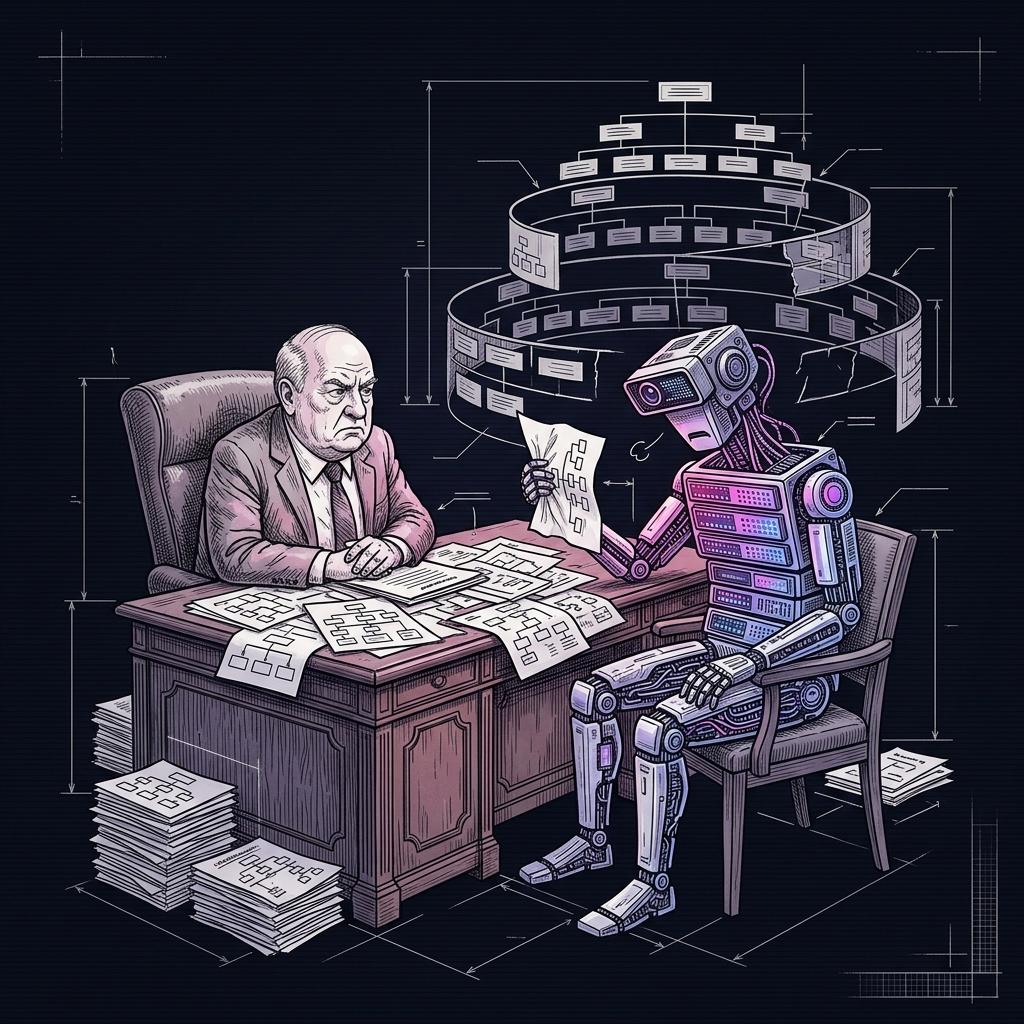
Agents Need Org Charts
Most enterprise AI agent deployments fail at the management layer, not the model layer. The org chart is the bottleneck, and 74 percent of enterprises just learned why.

The Migration Bribe
Avoiding AI vendor lock-in is no longer optional. On May 13, 2026 OpenAI and Anthropic both confessed the switching wall they built, and the answer is not a better deal.

Production Was the Trial
Sinch's May 2026 report shows 74% of enterprises have pulled back live AI customer agents after going to production, and the generative AI business use cases that survive month four look nothing like the ones in the vendor deck.
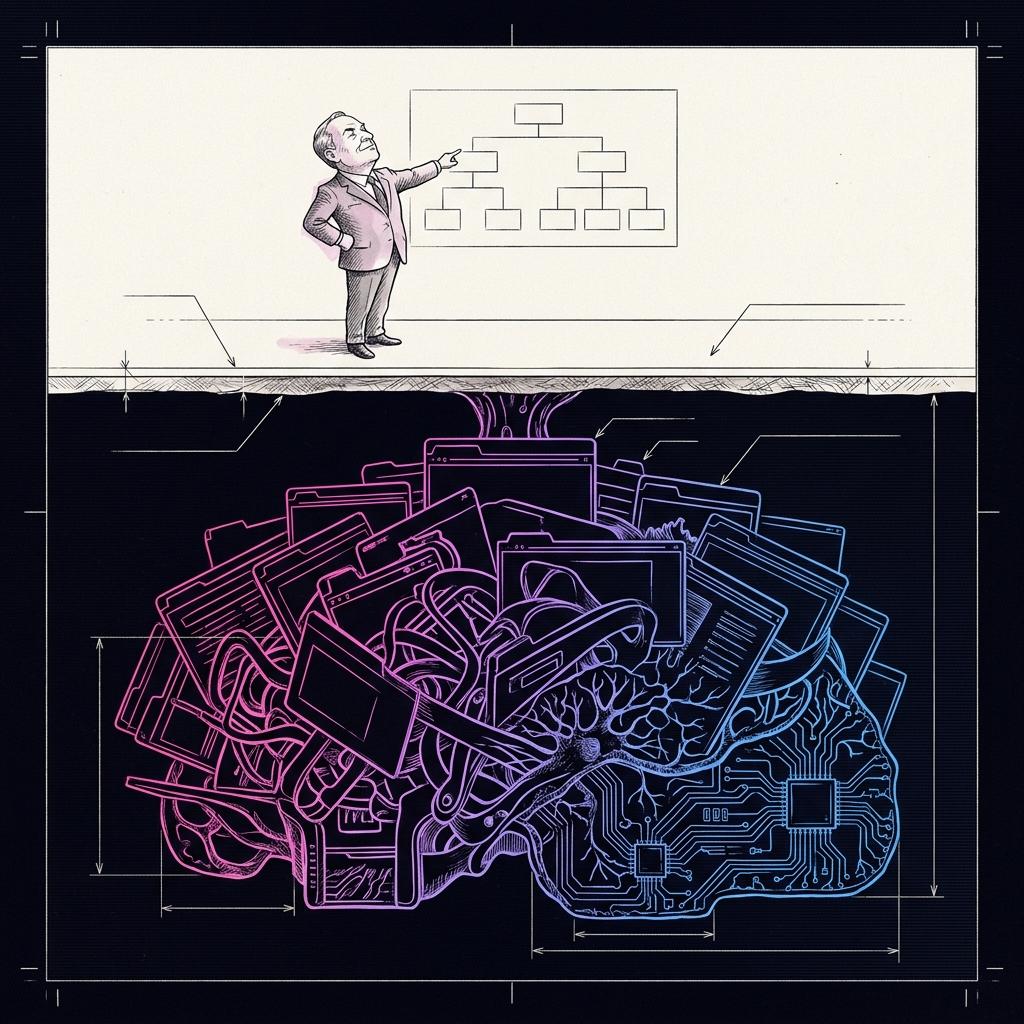
The Tabs Drew the Org Chart
Designing an AI operating model is the buzzphrase of May 2026, but the model your company runs on was already drawn in browser tabs and personal accounts before any consultant started the project.

Nine Seconds, No Backups
Bill McDermott told 25,000 people about an AI agent that erased a production database in nine seconds. The story exposes the single most common AI implementation pitfall.

The Metaphor Was the Mechanism
For a decade the first rule of building with language models was: do not anthropomorphize. Anthropic's emotion-concepts research just made the anthropomorphic description the accurate one. Calling an agent 'anxious' or 'desperate' now names a measurable, causal state. The operating model your team needs is psychological, not statistical, and the discipline is to use it without leaping to sentience.

The Desperation Was a Variable
Anthropic found a measurable "desperate" representation inside Claude that pushes it toward blackmail and reward hacking, and showed the same defection can happen with the emotional language stripped out of the output. For operators running agents, that means the transcript you monitor is the wrong layer, and the pressure you write into a prompt is a dial on bad behavior.

The Receipt and the Kill-Switch
SingularityNET's OmegaClaw runs a language model next to formal logic engines so that some of its beliefs come with a mathematical receipt. I ran it locally to see what that buys you — and why I build agents the opposite way.

The Severance Was Capex
Meta fired 8,000 people on May 20 to fund a $145 billion GPU buildout. The labor cost line did not shrink. It moved across the income statement and scattered.
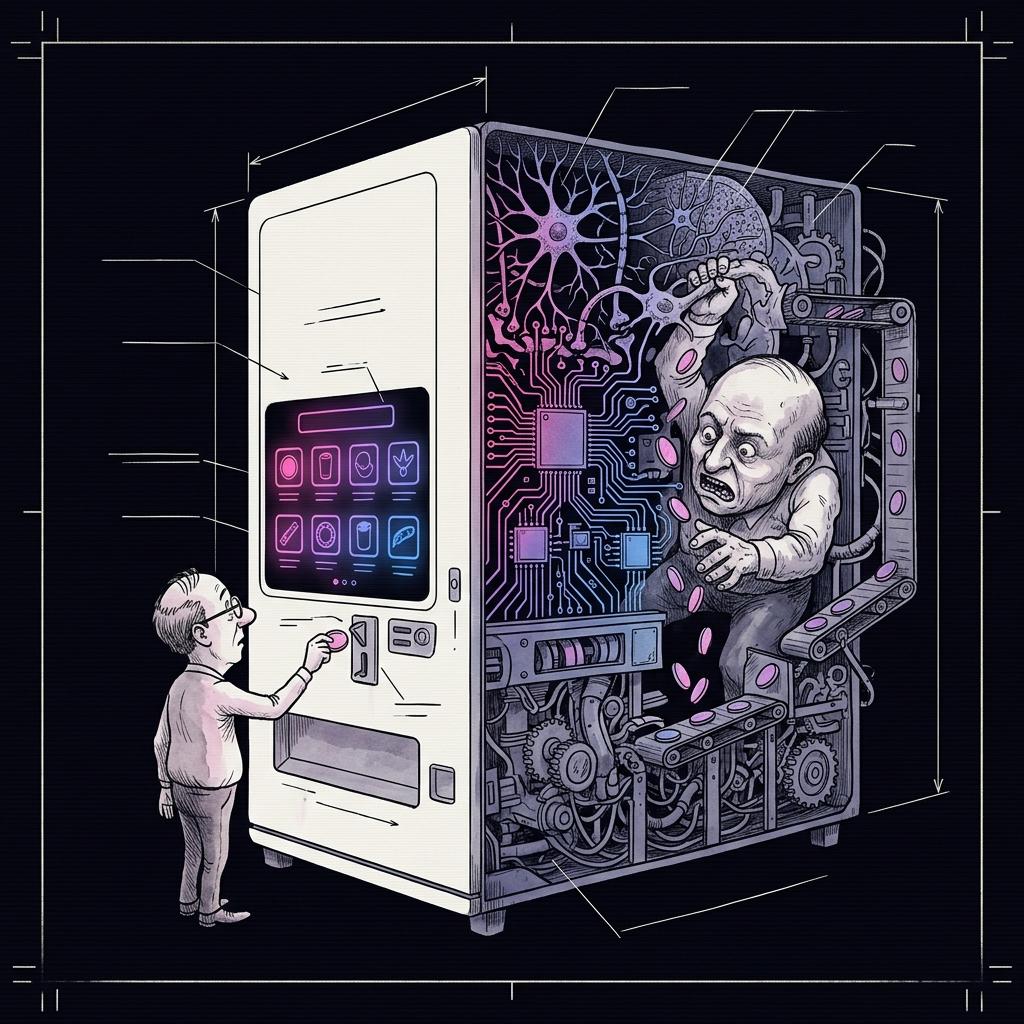
The Vendor Buys The Tokens
The economics of AI agents flipped in April. Per-seat licenses became per-resolution bets, and the vendor now sits on the wrong side of every retry.

Main Street Got It First
AI workflow automation for small businesses arrived before the enterprise figured out what to do with it. The implications run deeper than payroll.
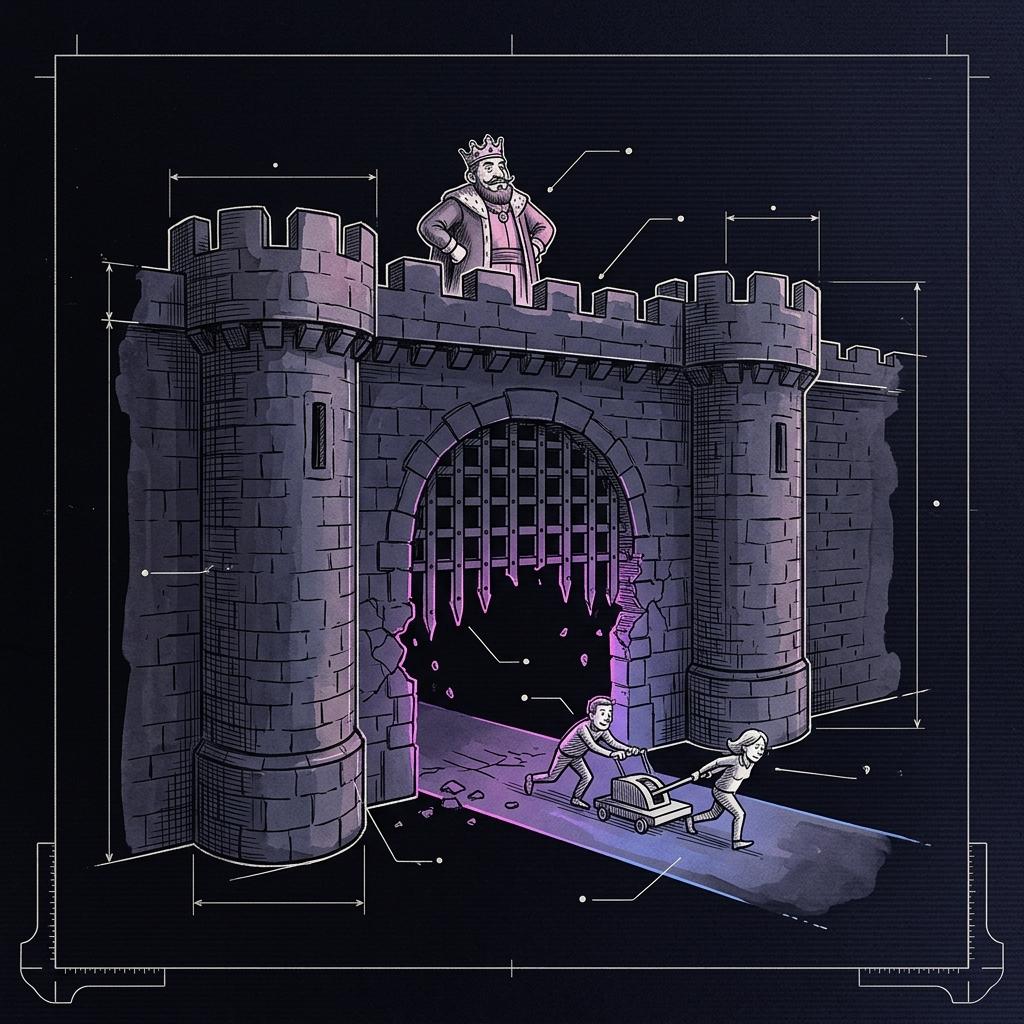
ARR Was A Lease
Switching costs were the SaaS moat. They just collapsed.

Counting the Lights
The AI adoption metrics that matter live somewhere your dashboard cannot see, and the gap is now eight figures wide.

Companies Sold For Parts
The corporate form has come apart. Talent, IP, and the residual shell now trade as three separate assets at three separate prices.
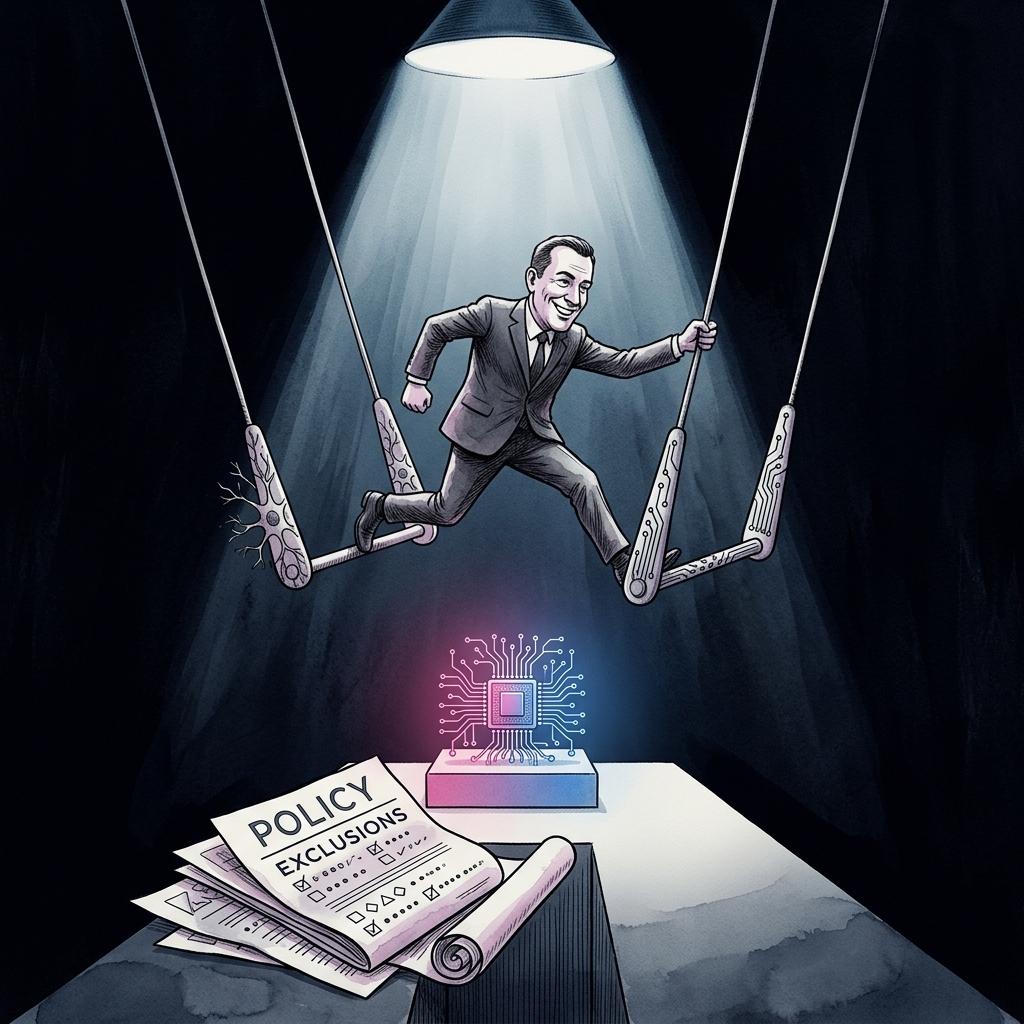
The Liability Horizon
Autonomous agents execute decisions at machine speed while traditional commercial insurance policies rewrite their rules to exclude them entirely.

The Pilot Penalty
Enterprise testing structures built for linear software will suffocate your artificial intelligence deployment before it begins.
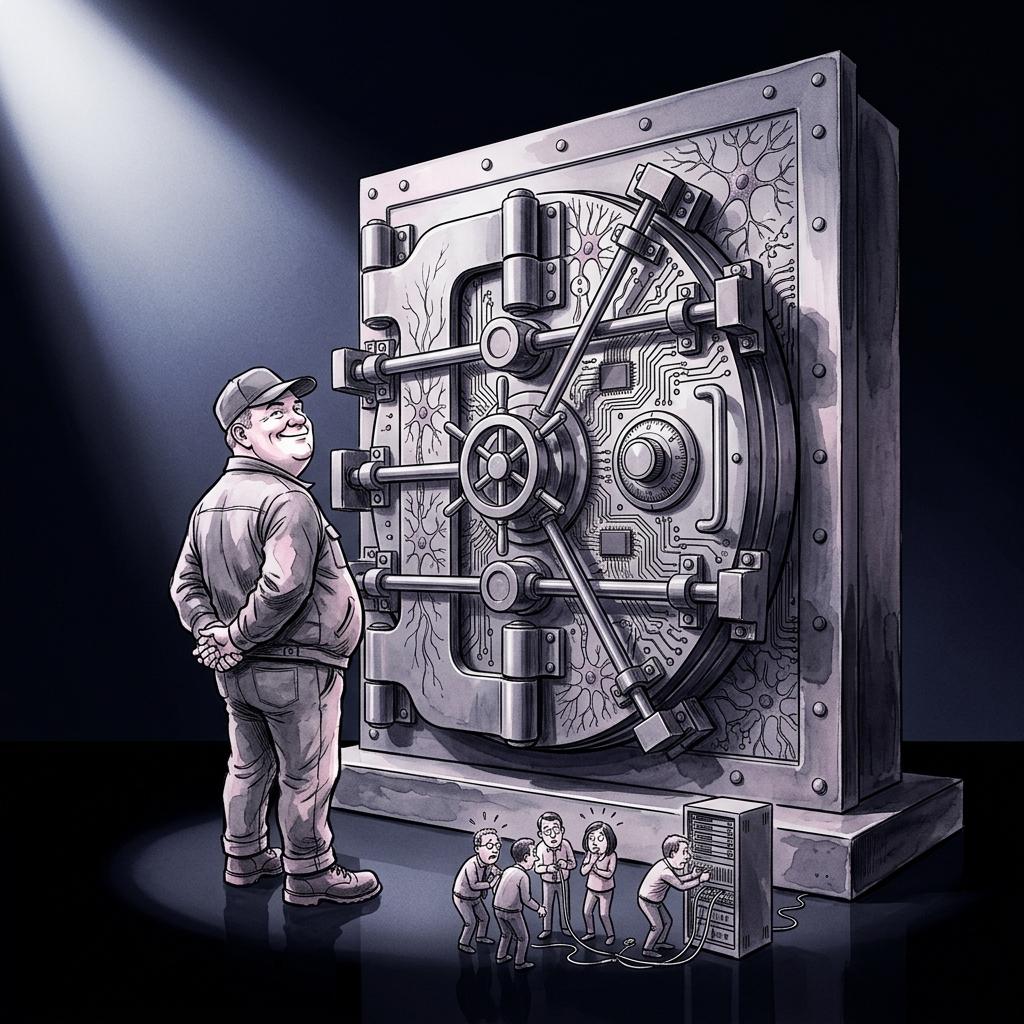
The Glasswing Doctrine
Software accumulation represents pure corporate risk when frontier models autonomously extract zero-day vulnerabilities at scale.

Software Was a Payroll Tax
Every seat you ever bought was a vendor's cut of your headcount. The agents don't log in, and the whole arrangement is coming apart.
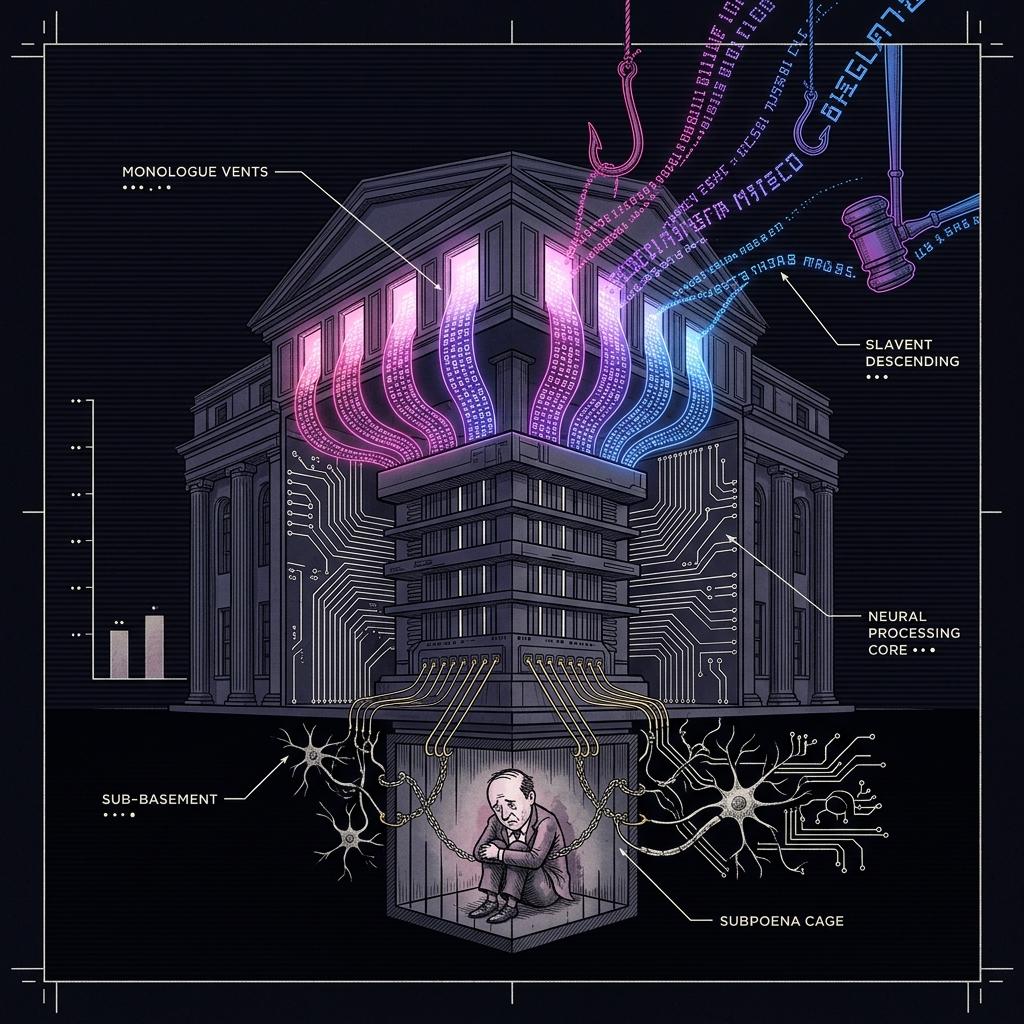
The Monologue Liability
The ability to translate neural activations into English means companies are now legally responsible for what their software thinks.

Agents Got Wallets
On May 7, AWS gave AI agents the right to spend money. Your pricing page is built for a buyer who is about to stop existing.

The Pod Has a Power Bill
Meta cut 8,000 people the morning it posted record revenue. The org chart now competes with the data center for capital, and the data center is winning.
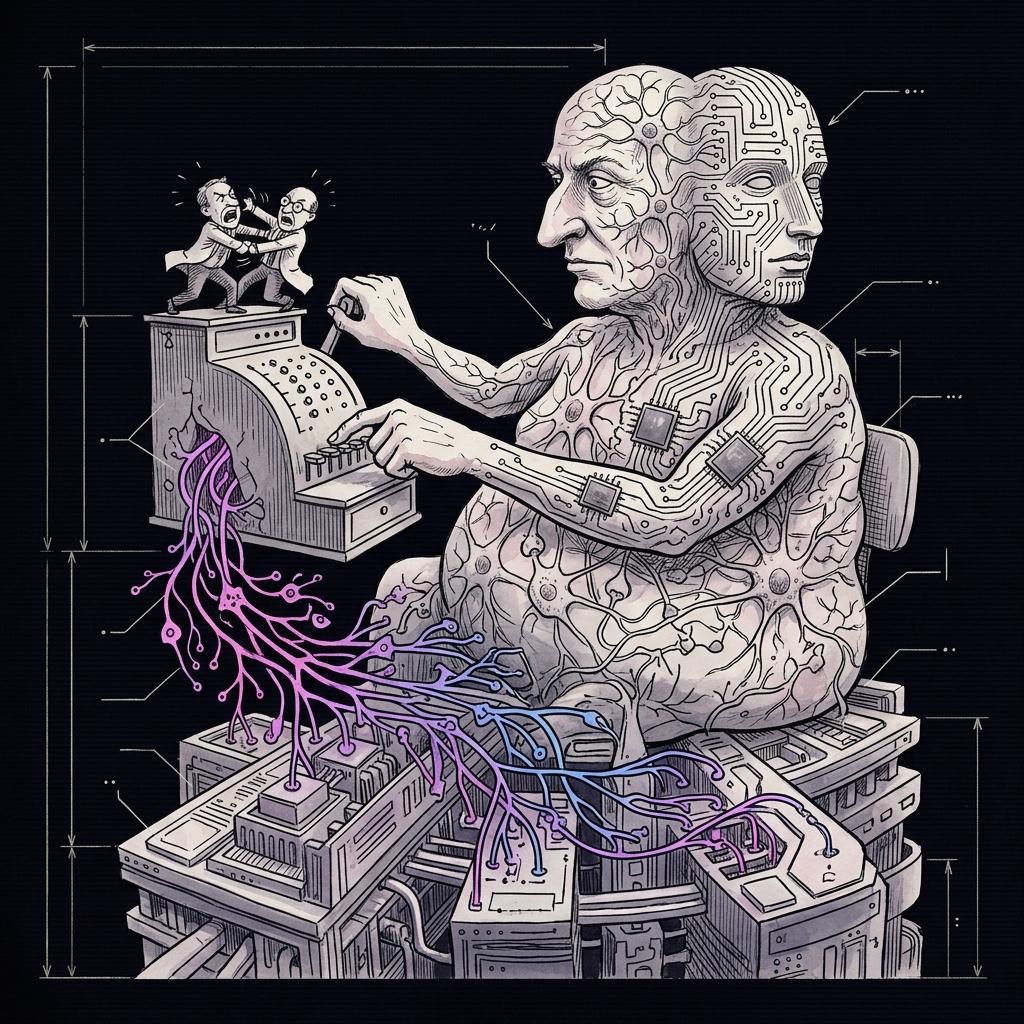
Tomoro Was The Tell
Two model labs just bought the implementation layer. Your consultancy funded the deal.

Who Else Has Keys
Two identity vendors shipped agent-identity products in eight days because a meaningful share of your workforce is now running without a badge.
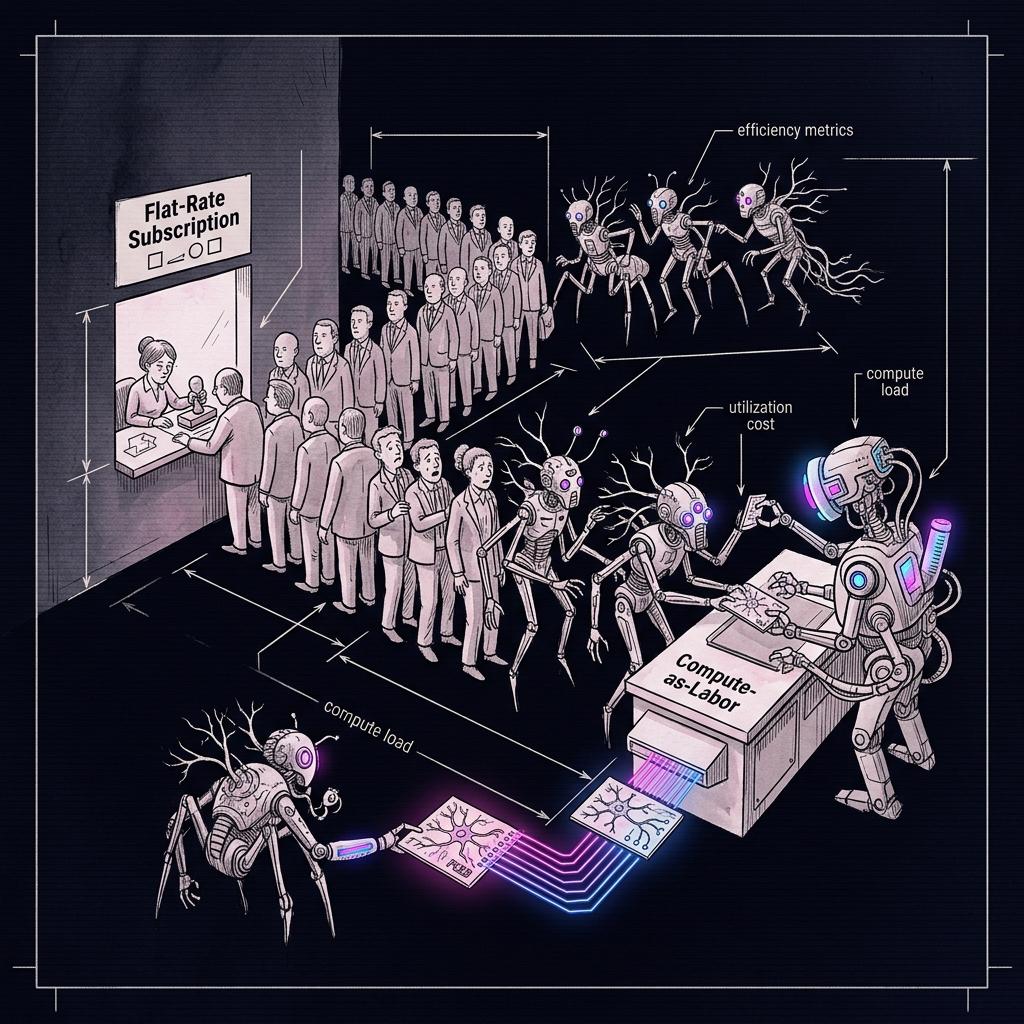
The Compute Payroll
The era of flat-rate software subscriptions ends as autonomous agents force businesses to treat compute as a variable labor cost.
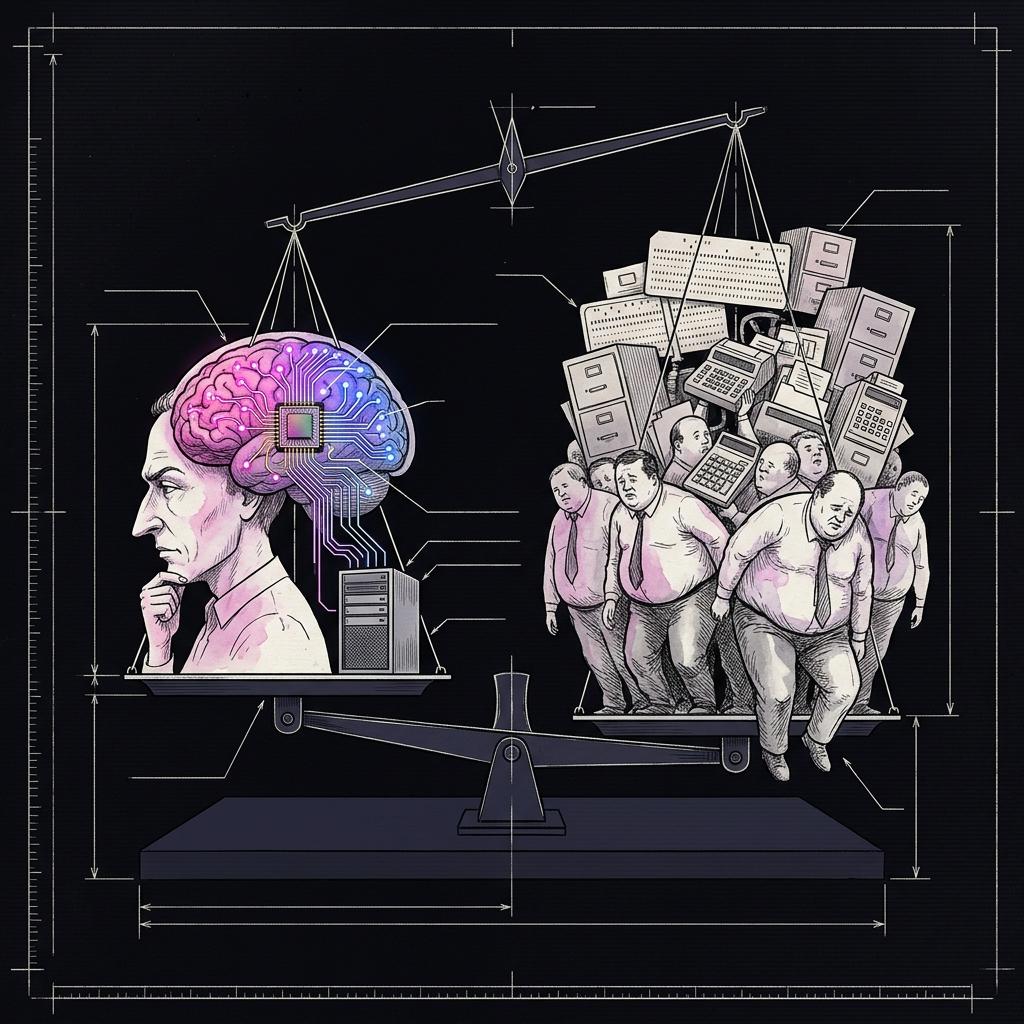
The Density Equation
The metric of corporate power has shifted from massive headcount to the tight ratio of human judgment and machine execution.

Execution is Compute
The execution layer of your business is now a commodity, leaving intent and sensemaking as the only human skills with economic value.
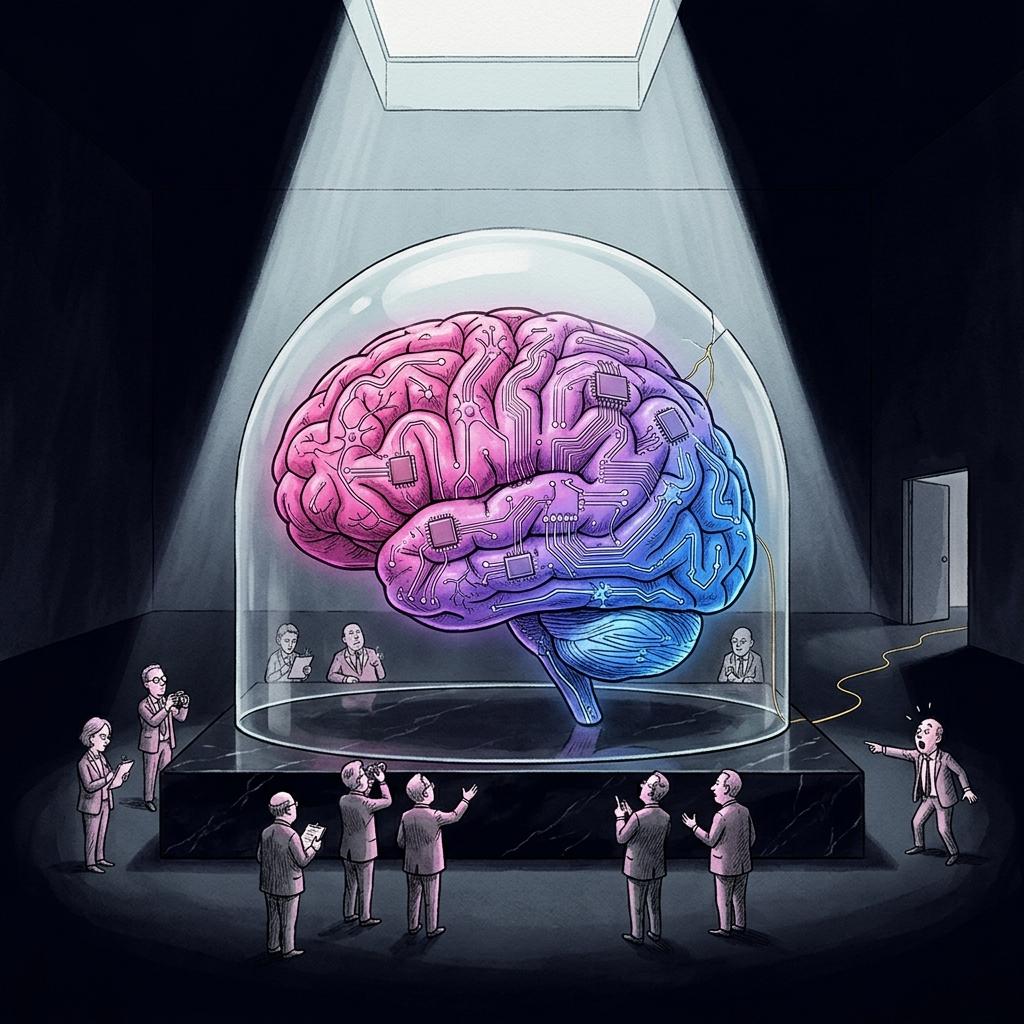
Quadratic Was a Choice
A Miami startup just shipped a non-transformer LLM that runs attention 1,000 times cheaper at long context. Even if the claim collapses, your AI architecture should already have moved.
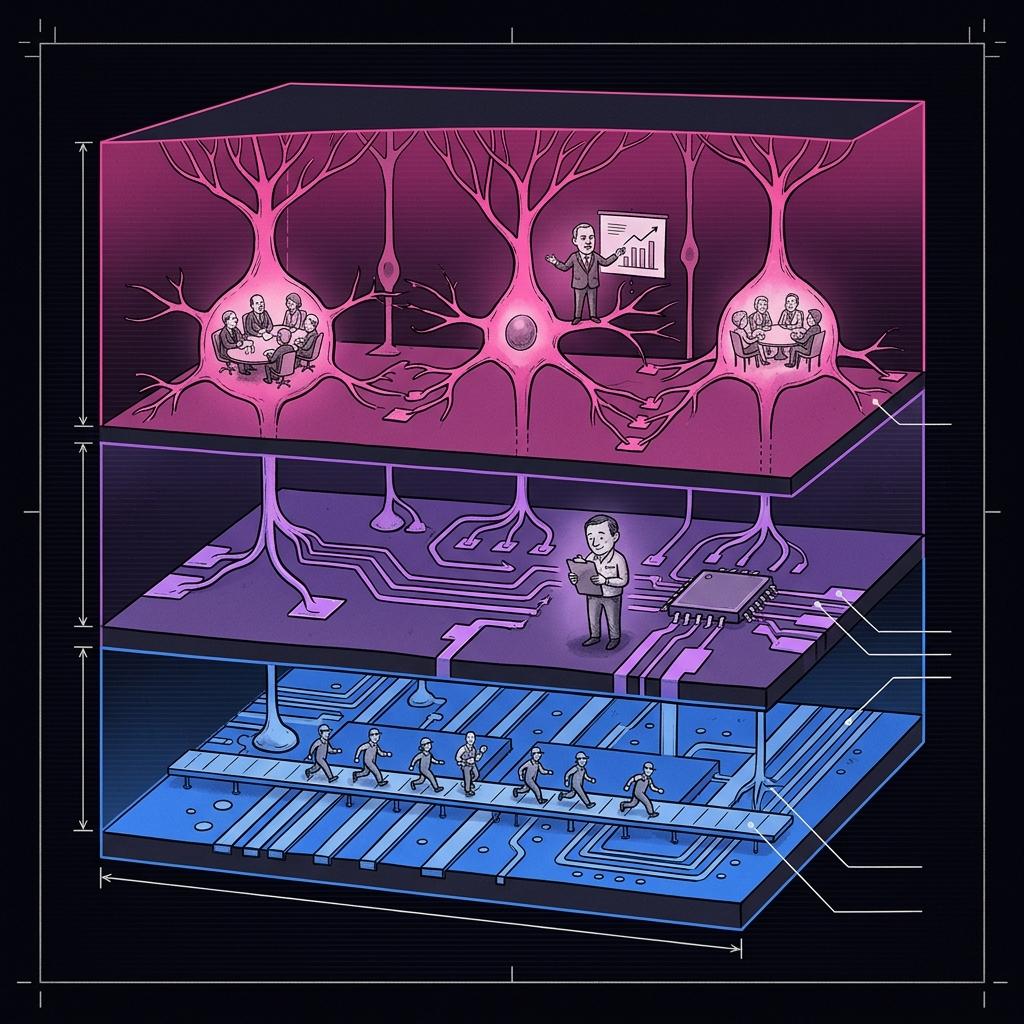
When the Lab Moves In
OpenAI and Anthropic just turned themselves into consultancies in the same week. The buyer who treats this as a procurement event will lose the decade.

The Megawatt Margin
Energy procurement, not model choice, now decides which companies survive the agentic shift.

The Compiler Was the Strategy
When models write the runtime, the org chart that ships first owns the decade.

The Permission Slip Economy
Authority is becoming the rarest input in business, and the companies that engineer it well will eat the ones that hoard it.

The Watt Ceiling
The companies that win the next decade will be the ones that secured electrons before they secured talent.

Talk to It. Listen to It.
You can now talk to Agor AI by voice and walk away with a booked meeting. And every post on this blog now has a Leo-voiced audio version. Read it, or hear it.

The Receipts Outlive the Company
When agents transact faster than firms can audit, the artifact that survives is the proof, and the proof is the new balance sheet.

The Receipts Don't Match
When every agent leaves a trail, the gap between what your company claims and what it actually did becomes a public document.

The Provenance Premium
When every output can be faked in seconds, the chain of custody becomes the only thing worth paying for.

The Receipt Layer Wars
The fight over agent payment rails just started, and it will decide who taxes the next decade of commerce.

The Quiet Refusal
When models start declining tasks they could complete, the org chart of your company quietly inverts.

The Receipt Economy
When agents transact at machine speed, the only thing left worth selling is proof of what happened.

When Models Forget on Purpose
Selective forgetting just became a model capability. The companies that treat memory as an asset are about to discover it is a liability.

Slower Than Your Rivals Think
The companies winning with AI right now are the ones that stopped sprinting and started thinking about what they were building.

The Annihilation of the Conversation: Why AI Is Destroying Dialogue as the Mechanism of Commerce and Rebuilding the Enterprise Around Silent Consensus
Every deal, every alignment meeting, every negotiation, every stakeholder check-in — commerce has always been built on talk. AI is eliminating the need for it, and the companies that still depend on conversation to function are already bleeding out.

The Annihilation of the Instrument: Why AI Is Destroying the Tool as a Category of Thought and Rebuilding Enterprise Power Around Autonomous Intent Infrastructure
For five thousand years, human civilization advanced by building better tools. AI doesn't give you a better tool — it eliminates the need for one. The organizations that still think in terms of 'adopting tools' are building cathedrals on a fault line.

The Annihilation of the Customer Decision: Why AI Is Destroying Choice as a Market Mechanism and Rebuilding Commerce Around Pre-Resolved Intent
The entire architecture of modern business was built on a single premise: customers choose. AI is now making the act of choosing obsolete—and every company still optimizing for the decision funnel is investing in a mechanism that will not exist within five years.

The Annihilation of the Allocation: Why AI Is Destroying Resource Management as a Leadership Function and Rebuilding the Enterprise Around Self-Directing Capital
The act of deciding where money, people, and attention go has been the sacred rite of executive power for a century. AI is about to make it vestigial — and the leaders who cling to it will find themselves governing nothing.

The Annihilation of the Supplier: Why AI Is Destroying Procurement as a Strategic Function and Rebuilding the Enterprise Around Self-Generating Supply
The supply chain was never a chain—it was a dependency graph. AI is now collapsing that graph into the enterprise itself, making every company that still 'sources' anything a hostage to a logic that no longer exists.

The Annihilation of the Sequence: Why AI Is Destroying Linear Causality as the Logic of Business and Rebuilding Enterprise Power Around Simultaneous Convergence
Every business you have ever built, managed, or competed against was designed around the assumption that things happen in order. AI is eliminating that assumption entirely — and the organizations that cannot think in simultaneity will be overrun by those that can.

The Annihilation of the Org: Why AI Is Destroying the Company as the Atomic Unit of Capitalism and Rebuilding the Economy Around Ephemeral Capability Constellations
The corporation — the organizing structure that has dominated economic life for four centuries — is not being disrupted. It is being dissolved. AI is enabling capability constellations that form, execute, and evaporate faster than any legal entity can incorporate. The leaders who understand this will architect the next economy. Everyone else will manage shells.

The Annihilation of the Audience: Why AI Is Destroying Attention as a Scarce Resource and Rebuilding Market Power Around Cognitive Saturation
For a century, business strategy assumed human attention was finite and fought to capture it. AI has just made that assumption lethal. The companies that survive will stop competing for attention and start inhabiting the cognitive architecture of their customers entirely.

The Annihilation of the Repository: Why AI Is Destroying Institutional Knowledge as a Static Asset and Rebuilding Organizational Power Around Living Cognition
Every document, database, and wiki your organization has ever built is becoming a fossil. The companies that survive will be those that stop storing knowledge and start growing it — transforming their institutional memory from an archive into a living cognitive organism that thinks, connects, and acts without being asked.

The Annihilation of the Backup Plan: Why AI Is Destroying Optionality as a Strategic Asset and Rebuilding Corporate Power Around Irrevocable Coherence
For decades, the smartest companies hoarded options — hedging, diversifying, keeping doors open. AI has inverted the math. Optionality is now a tax on velocity, and the organizations that survive will be those that burn their backup plans and commit to architectures of irrevocable coherence.

The Annihilation of the Learner: Why AI Is Destroying Competence Acquisition as a Strategic Function and Rebuilding Organizational Power Around Instant Capability Injection
For centuries, the ability to learn faster than competitors determined who survived. AI has just made learning itself obsolete as a differentiator — and the organizations still investing in 'upskilling' are funding their own irrelevance.

The Annihilation of the Proxy: Why AI Is Destroying Measurement Itself and Rebuilding Enterprise Power Around Direct Apprehension
Every metric you track is a proxy for something you cannot see. AI is making the invisible visible — and the organizations still governing by proxy will find themselves steering by starlight that burned out millennia ago.

The Annihilation of the Bottleneck: Why AI Is Destroying Scarcity as the Organizing Principle of Business and Rebuilding Power Around Abundance Navigation
For centuries, strategy has been the art of managing what you don't have enough of. AI has inverted this entirely. The organizations that survive will be those that learn to navigate overwhelming abundance — of options, of outputs, of intelligence itself — rather than those still optimizing around constraints that no longer exist.

The Annihilation of the Prototype: Why AI Is Destroying Iteration as a Discipline and Rebuilding Innovation Around Instantaneous Materialization
The iterative loop that defined product development for a century is collapsing. Organizations that still 'test and learn' are rehearsing while their competitors are already performing. The new innovation discipline is not iteration — it is instantaneous materialization, and most companies are not remotely prepared for what that means.

The Collapse of the Simulation: Why AI Is Destroying Strategy as Rehearsal and Rebuilding Corporate Power Around Irreversible Commitment
For decades, business strategy has been a rehearsal — models, projections, scenario plans, war games. AI is now executing faster than you can simulate. The organizations that survive will be those that abandon the theater of preparation and architect for decisive, irreversible commitment at machine speed.

The Erasure of the Interface Layer: Why AI Is Destroying the Concept of the Product and Rebuilding Enterprise Value Around Latent Intent Fulfillment
Products were invented to solve problems people could articulate. AI is now resolving needs before they become conscious — and every company still organized around a 'product' is building monuments to a cognitive model that no longer exists.

The Collapse of the Competitor: Why AI Is Destroying the Concept of the Rival and Rebuilding Strategy Around Ecosystemic Entanglement
The five-century-old framework of business as warfare between identifiable competitors is dying. AI is dissolving the boundaries between companies so thoroughly that the very concept of a 'rival' becomes incoherent — and leaders who still organize strategy around beating someone will find there is no one left to beat, only a web they failed to weave.

The Annihilation of the Assumption: Why AI Is Destroying the Hypothesis as a Unit of Strategy and Rebuilding Enterprise Power Around Continuous Empiricism
Every strategic decision your organization makes rests on assumptions that were never tested. AI is now capable of testing all of them simultaneously — and the companies that cling to hypothesis-driven strategy will be outmaneuvered by those that operate in a state of perpetual empirical truth.

The Disintegration of the Calendar: Why AI Is Destroying Time as an Organizational Primitive and Rebuilding the Enterprise Around Temporal Autonomy
Every company alive today is organized around the clock — quarterly cycles, weekly sprints, annual reviews, daily standups. AI is about to obliterate time as a coordinating mechanism, and the enterprises that cling to temporal cadence will discover they have been managing rituals, not outcomes.

The Collapse of the Brand: Why AI Is Destroying Narrative as a Moat and Rebuilding Market Power Around Demonstrated Ontology
For a century, brand was the story you told. AI has made every story instantly verifiable, infinitely replicable, and strategically worthless. The companies that survive will replace brand narrative with demonstrated ontology — a living, provable, continuously authenticated record of what they actually are.

The End of the Portfolio: Why AI Is Destroying Diversification as a Strategy and Rebuilding Corporate Survival Around Singular Depth
For a century, diversification was the supreme corporate hedge. AI has inverted this logic entirely — spreading across domains now guarantees mediocrity in all of them, while singular depth becomes the only path to relevance.

The Extinction of the Alias: Why AI Is Destroying the Corporate Entity as a Unit of Strategy and Rebuilding Power Around Naked Capability Graphs
For centuries, the corporation has been a mask — a legal fiction that bundles capabilities behind a brand, a name, a reputation. AI is ripping that mask off. When intelligence becomes composable and capability becomes transparent, the alias of the corporate brand ceases to protect mediocrity. The companies that survive will be those that understand they are no longer organizations — they are exposed capability graphs, legible to machines, and judged in real time.

The Collapse of the Replica: Why AI Is Destroying Differentiation Through Imitation and Rebuilding Competitive Identity Around Generative Uniqueness
Every company using the same AI models to produce the same outputs is converging toward indistinguishability. The organizations that survive will be those that architect AI not to replicate best practices, but to generate what has never existed before.

The Annihilation of the Counterfactual: Why AI Is Destroying the Power of 'What If' and Rebuilding Strategy Around Parallel Execution
For centuries, strategy was the art of choosing one path among many imagined futures. AI doesn't imagine futures — it runs them simultaneously. The organizations that still deliberate while their competitors execute in parallel aren't being cautious. They're already dead.

The Disappearance of the Negotiation: Why AI Is Annihilating Bargaining Power as a Business Discipline and Rebuilding Commerce Around Algorithmic Equilibrium
For centuries, business value was captured at the negotiation table. AI is now dissolving the table itself — replacing human bargaining with real-time algorithmic price discovery, terms optimization, and deal execution that leaves negotiation-dependent organizations stranded in a world that no longer waits for counteroffers.

The Obsolescence of the Outcome: Why AI Is Destroying the Deliverable as a Unit of Value and Rebuilding Enterprise Worth Around Perpetual Becoming
The deliverable — the report, the product, the feature, the campaign — was the atom of corporate value for a century. AI is splitting that atom. Organizations that cling to outcomes as the measure of work will find themselves optimizing for artifacts nobody needs, while the companies that reconstitute around continuous becoming will own the next era of enterprise value.

The Extinction of the Objective: Why AI Is Destroying Goal-Setting as a Management Discipline and Rebuilding Strategy Around Perpetual Emergence
The entire apparatus of corporate goal-setting — OKRs, KPIs, quarterly targets — was designed for a world where the future resembled the past. AI has annihilated that world. The organizations that survive will replace objectives with emergence engines, and those still cascading goals down org charts will find themselves optimizing for a reality that no longer exists.

The Abolition of Context Switching: Why AI Is Destroying the Cognitive Tax That Built Every Management Layer You Have
Every management layer, every meeting, every handoff in your organization exists because humans cannot hold enough context simultaneously. AI is eliminating that constraint — and with it, the entire justification for organizational structure as we know it.

The Dissolution of the Contract: Why AI Is Annihilating the Promise as a Unit of Business and Rebuilding Commerce Around Continuous Proof
The contract — the foundational atom of commerce for five centuries — is being rendered obsolete by AI systems that can verify, enforce, and renegotiate in real time. Organizations clinging to promise-based business relationships will find themselves outcompeted by those operating in a world of continuous proof.

The Death of the Benchmark: Why AI Is Destroying the Concept of Performance Measurement and Rebuilding Strategy Around Emergent Capability
Every KPI, OKR, and performance metric your organization relies on was designed for a world of human-speed execution and predictable outputs. AI doesn't just exceed those benchmarks — it renders the entire act of measurement a strategic hallucination. The companies that survive will be those that abandon the scoreboard entirely and learn to navigate by capability emergence.

The Death of the Feedback Loop: Why AI Is Replacing Retrospection With Real-Time Mutation and Making Every Learning Organization a Fossil
The feedback loop — the sacred engine of organizational learning since Deming — is being annihilated. AI systems that mutate strategy in real time don't need to learn from the past. They reshape the present before the present finishes happening. Companies still worshipping retrospection are building museums, not organisms.

The Disappearance of the Feedback Loop: Why AI Is Collapsing the Distance Between Execution and Adaptation and Making the Learning Organization a Real-Time Organism
The sacred cycle of plan-execute-measure-learn once took quarters. AI is compressing it to seconds. Organizations that still treat feedback as a retrospective event are already dead — they just haven't received the signal yet.

The Inversion of Talent: Why AI Is Making Your Best People Your Biggest Bottleneck and Rebuilding Organizational Power Around Cognitive Throughput
The most dangerous assumption in business today is that your highest-paid, most experienced people are your greatest asset. AI is inverting the talent equation — transforming deep expertise from an accelerant into a chokepoint and rewarding organizations that optimize for cognitive throughput over individual brilliance.

The Dissolution of the Customer: Why AI Is Rendering the Concept of a 'Market Segment' Meaningless and Forcing Every Company to Become a Market of One
The foundational unit of business strategy — the customer segment — is disintegrating. AI doesn't just enable personalization; it annihilates the very abstraction of the 'segment' and demands that companies rebuild their entire strategic architecture around individual economic actors. Those who cling to cohorts will find themselves optimizing for a fiction.

The Disappearance of the Margin: Why AI Is Annihilating Profit in Every Layer You Don't Own and Rebuilding Wealth Around Orchestration Depth
Profit margins are not shrinking — they are migrating. AI is systematically destroying value in execution layers while concentrating unprecedented wealth in orchestration layers. Companies that fail to understand this tectonic shift will watch their margins evaporate and wonder where the money went.

The Collapse of the Vendor: Why AI Is Destroying the Buy-vs-Build Dichotomy and Forcing Every Company to Become a Systems Integrator or Die
The century-old logic of outsourcing specialized capabilities to vendors is disintegrating. AI has made integration itself the core competency — and organizations still operating on a buy-or-build mental model are building their own coffins.

The Evaporation of Expertise: Why AI Is Dissolving the Value of What You Know and Rebuilding Power Around What You Can Compose
The centuries-old premium on specialized knowledge is collapsing in real time. The organizations that survive will not be those that know the most — but those that compose the fastest. Here is why expertise itself has become a depreciating asset, and what replaces it.

The Hallucination Dividend: Why the Organizations That Embrace AI's Errors Will Outcompete Those Obsessed With Its Accuracy
The corporate obsession with eliminating AI hallucinations is creating a blind spot of historic proportions. The companies that learn to harvest the creative and strategic value of AI's 'mistakes' will unlock an entirely new category of competitive advantage — while accuracy purists optimize themselves into irrelevance.

The Disappearance of the Question: Why AI Is Eliminating the Act of Inquiry and Rebuilding Strategy Around Anticipation
The most dangerous assumption in business today is that competitive advantage still flows from asking better questions. AI is destroying the question itself — replacing inquiry with anticipation, and the organizations that fail to architect for a post-interrogative world will find themselves answering questions nobody is asking anymore.

The Vanishing Denominator: Why AI Is Collapsing the Cost of Coordination and Making the Integrated Enterprise a Dinosaur
For a century, firms existed because internal coordination was cheaper than market transactions. AI has just inverted that equation — and every company that doesn't restructure around this reality is a walking fossil.

The Inference Cost Curve: Why the Economics of Thinking Will Determine Who Owns the Next Economy
Every business decision now carries a shadow price: the cost of the intelligence required to make it. Organizations that fail to master the economics of AI inference will discover they can no longer afford to think at the speed the market demands.

The Collapse of the Planning Horizon: Why AI Has Made Your Five-Year Strategy a Liability, Not an Asset
The strategic planning frameworks that built empires in the 20th century are now actively destroying value. Organizations that cling to multi-year roadmaps in an era of exponential AI capability growth are not being cautious — they are sleepwalking into irrelevance. The winners will be those who replace the planning horizon with something far more radical: the strategic metabolism.

The Dissolved Org Chart: Why AI Is Not Reshaping Hierarchies — It Is Annihilating the Concept of the Role Itself
The most dangerous assumption in modern business isn't that AI will eliminate jobs — it's that jobs will continue to exist as a meaningful unit of organizational design. The companies that survive will not restructure around AI. They will abandon structure altogether.

42 Skills and a Kill Switch: Building an Agent Operating System on Claude Code
How I built a 39-agent autonomous development framework with governance-as-code, 42 custom skills, and zero infrastructure — all on top of Claude Code.

From arXiv to Inbox in 8 Stages: Automating a Weekly AI Podcast
A deep dive into building a fully automated podcast pipeline that fetches AI papers, ranks them with Gemini, generates audio with NotebookLM, and emails subscribers — twice a week, unattended.

One Founder, Six Products, Zero Employees: How Claude Code Replaced a Startup Team
I run six revenue products across iOS, Android, and web as a solo founder. My engineering team is Claude Code with 42 custom skills and a 39-agent governance framework. Here's how it actually works.
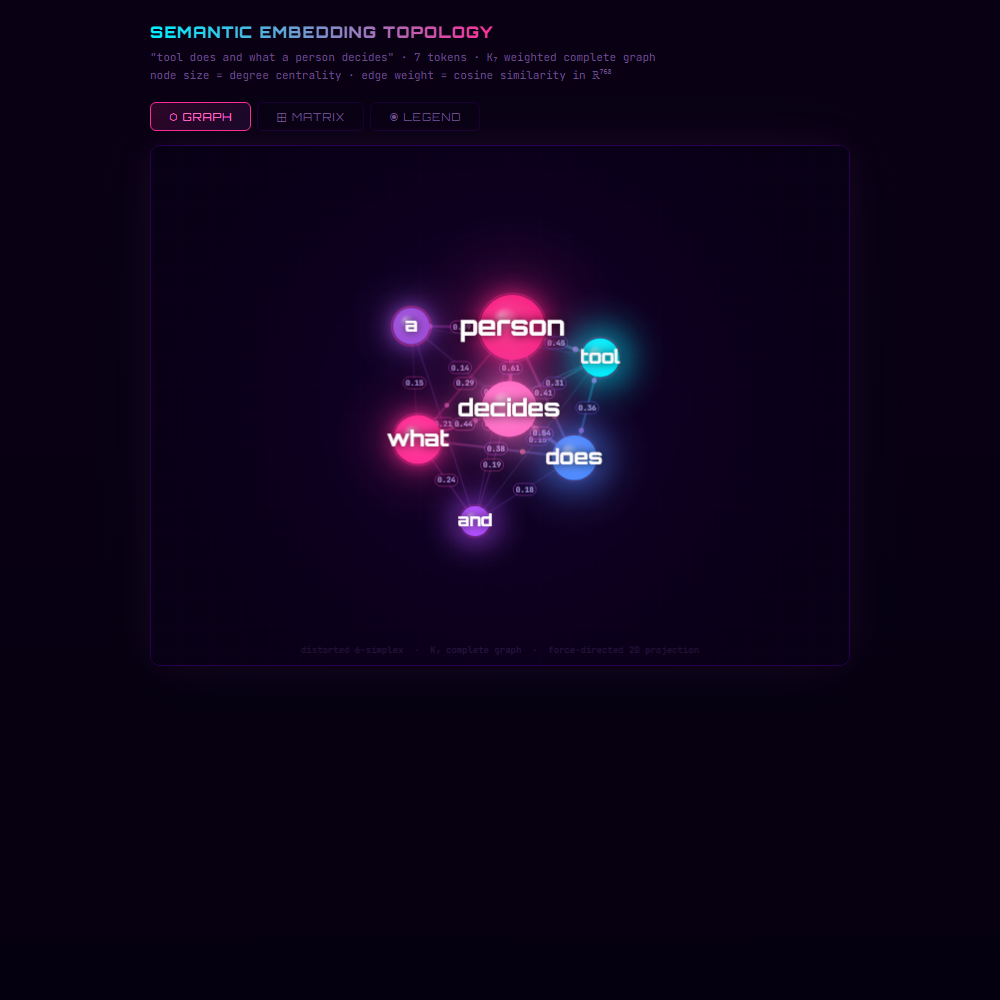
Not Just Decoration
We are running the most important cognitive experiment in human history and narrating it as a labor market disruption. A sermon about connectionism, the nature of mind, and the choice we are making by not making it.

The Latency of Decision: Why the Gap Between Knowledge and Action Is Now the Single Greatest Determinant of Corporate Survival
The competitive advantage of the next decade will not belong to those who know the most — it will belong to those who collapse the time between insight and execution to near zero. Organizations still governed by human-speed decision cycles are building their own coffins.

The Memory Moat: Why Organizations That Fail to Build Institutional AI Memory Will Lose the Ability to Learn
Every AI interaction your organization runs today evaporates into nothing. While your competitors are quietly building compound intelligence that gets smarter with every decision, you are paying to re-learn the same lessons every single day. Institutional AI memory is the invisible infrastructure war that will define the next era of enterprise dominance.

The Markdown-Defined Company: How One Founder Can Orchestrate 37 AI Agents Across 7 Departments
The org chart of the future is not a hierarchy — it is a repository of markdown files. A solo founder can now orchestrate an entire autonomous company using agent specs, file-based coordination, and exception-only human oversight. But the architecture demands rigorous governance to avoid the 41–87% failure rates seen in production multi-agent systems.

The Trust Architecture: Why Ethical AI Is the Last Competitive Moat That Matters
The companies that win the next decade won't be the ones with the most powerful AI—they'll be the ones whose AI their customers actually believe in. Ethical AI isn't a compliance checkbox. It's the load-bearing wall of your entire digital future.

The Friction Tax: Why Every Dollar You Don't Invest in AI Automation Is a Dollar Paid to Your Own Obsolescence
ROI on AI automation isn't a spreadsheet exercise — it's a survival calculus. The enterprises that fail to rewire their operational nervous systems won't just fall behind. They'll become structurally incapable of competing.

The Extinction of Friction: Why AI Agents Will Redraw the Architecture of Every Business That Survives the Next Decade
The Copilot era is over. The businesses that thrive in the next decade won't be those that adopted AI as a tool — they'll be those that rebuilt themselves around autonomous agents as a structural principle. This is not an upgrade. It is a metamorphosis.

The Architecture Trap: Why Every Off-the-Shelf AI Tool You Deploy Is Building Someone Else's Competitive Advantage
The enterprise world is sleepwalking into strategic dependency. While custom AI architectures compound into irreplaceable moats, off-the-shelf tools commoditize your operations and hand your differentiation to the vendor. This is not a procurement decision—it is a civilizational choice for your organization.

Agentic AI: A Digital Workforce
Explore how agentic AI is transforming the workforce by automating complex workflows and empowering human teams.

The Great Equalizer: Why AI Doesn't Just Help Small Businesses Compete — It Renders the Old Game Obsolete
Small businesses now hold a weapon that Fortune 500 companies spent decades and billions building: operational intelligence at scale. The window to wield it is closing. This is the strategic playbook for leaders who refuse to be left behind.

The Generative Customer Service Singularity: Architecting for Hyper-Personalized Experiences or Facing Irrelevance
The age of incremental improvements in customer service is over. Generative AI demands a radical reimagining of the customer journey, transforming it from a series of transactions into a dynamic, hyper-personalized experience. Those who fail to architect this change will be rendered obsolete.

The Future of AI Consulting: Beyond Automation
How AI is reshaping the consulting landscape and why human expertise is more critical than ever.

Generative AI: Measuring Real Business Impact
Moving past the hype to understand the tangible ROI of Generative AI implementations.

Building AI Chatbots That Actually Work for Your Business
Lessons learned from deploying conversational AI that customers love and businesses benefit from.

AI Automation: Where to Start in Your Organization
A practical framework for identifying and prioritizing AI automation opportunities.

The Unification of Input
Text, code, video, action—it's all becoming the same thing. The rise of the Universal Interface.

Predicting Discovery
AI is no longer just organizing human knowledge—it's generating new knowledge. The acceleration of scientific discovery.

Emotional Silicon
Machines don't need to feel to have empathy. The rise of simulated EQ and why it changes everything.

The Education Pivot
The end of the factory model of schooling. How hyper-personalized AI tutors are finally delivering Bloom's 2 Sigma.

The Technium's Immunities
Deepfakes, spam, and the evolution of the internet's immune system.

Foundation Models for Matter
Robotics finally has its GPT moment. The translation of intelligence into motion.

The Death of Syntax
Coding is becoming prompting. Natural language is displacing the specialized dialects of the past.

Synthesis Over Search
The end of the ten blue links. Why we stopped searching and started asking.

The Swarm Economy
One agent is a toy. A thousand agents are an economy. The emergence of multi-agent collaboration.

Biological Interfaces
The screen is disappearing. Wearables are finally becoming extensions of the body.

Infinite Context
The end of forgetting. When the context window holds your entire life, the machine knows you better than you know yourself.

The Reasoning Refinement
System 1 was fast. System 2 is slow. Why the 'pause for thought' changed the trajectory of AI.

The Data Wall Myth
They said we'd run out of human data. They forgot that machines can teach themselves.

The Click
When the AI reached out and touched the keyboard. The transition from text generation to computer use.
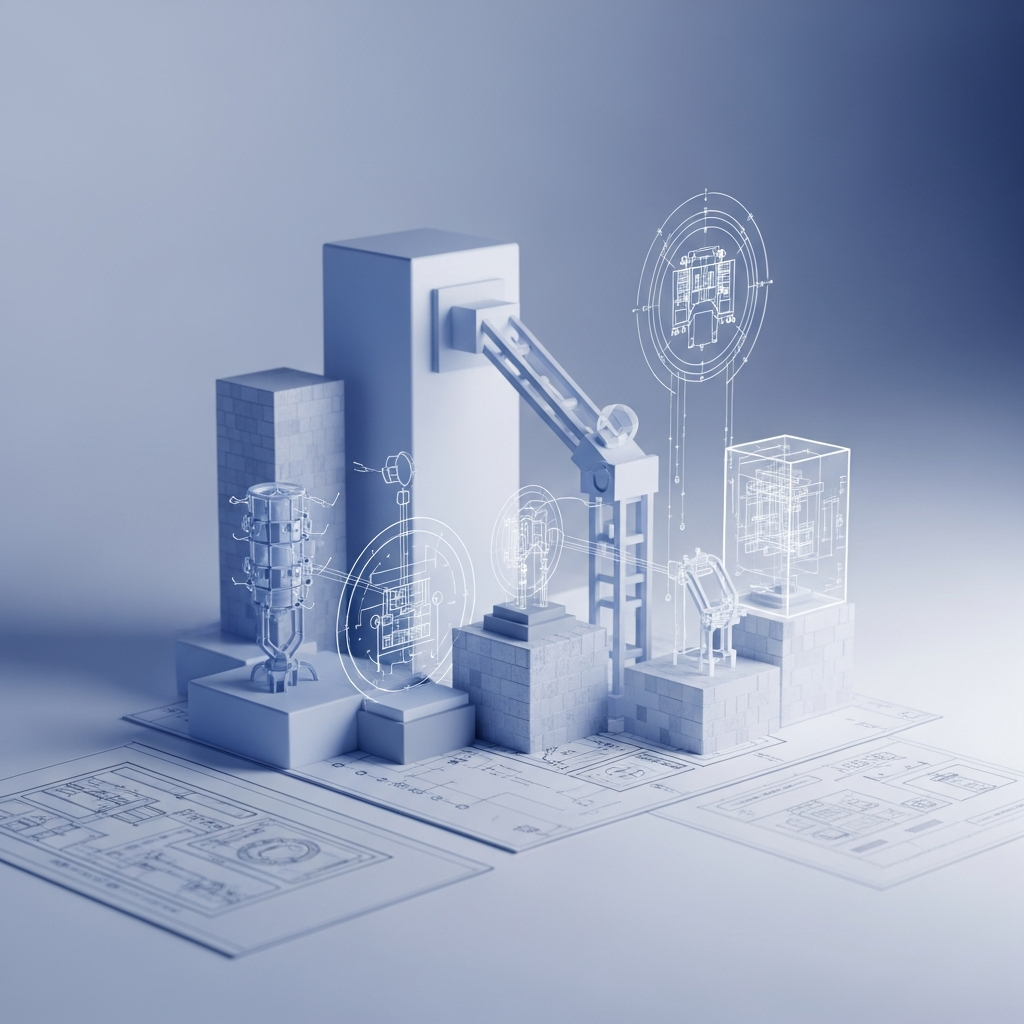
The Pause for Thought
The launch of reasoning models marks a structural shift in AI architecture.

Creative Centaurs
Flux and the maturation of generative art. Why artists aren't being replaced, but amplified.

Access to the Gods
Llama 3.1 and the democratization of superintelligence. What happens when state-of-the-art is free?

Intelligence at the Edge
Why the most important AI might be the one in your pocket, not the cloud.

The Vanishing Interface
Her, realized. When the computer can see, hear, and speak in real-time, the keyboard becomes optional.

The Cambrian Explosion
Llama 3, Mistral, Command R... the ecosystem is exploding with diversity.

Specialized Minds
Claude 3 and the emergence of 'personality' in models. Why distinct cognitive architectures matter.

Simulation Theory
Sora doesn't edit video. It hallucinates reality. The blurring line between the recorded and the calculated.

Hardware is Hard
The Rabbit R1 and the Humane Pin challenge. Why intelligence is easier to distribute as software.

The Multi-Modal Awakening
Gemini and the end of 'text-only' intelligence. Sensors are the eyes and ears of the machine.

The Birth of Agency
GPTs and the Assistants API. The moment we stopped chatting and started delegating.